SAN FRANCISCO: Apple shifted much of its offshore wealth from Ireland to a tax haven in the British Isles, according a review of leaked Paradise Papers documents Monday.
Apple confirmed the move in an online post, saying it served to “ensure that tax obligations and payments to the US were not reduced.”
After the US technology colossus stated publicly in 2013 that it was paying its proper share of taxes, it moved the bulk of its untaxed overseas cash to Jersey, a British dependency in the Channel Islands, various media organizations reported based on the once-secret cache of documents known as the Paradise Papers.
The documents shared with some media outlets by the US-based International Consortium of Investigative Journalists has exposed tactics the wealthy and powerful have used to avoid taxes.
In its lengthy post, Apple said it moved profits to Jersey while making corporate changes to adapt to Irish tax laws tightening in 2015.
“Apple’s subsidiary, which holds overseas cash, became resident in the UK Crown dependency of Jersey, specifically to ensure that tax obligations and payments to the US were not reduced,” Apple said.
Since then, all of Apple’s Irish operations have been conducted through Irish resident companies, paying a statutory 12.5 percent tax, according to the California-based technology titan.
“Since then, Apple has paid billions of dollars in US tax on the investment income of this subsidiary,” Apple said.
“There was no tax benefit for Apple from this change and, importantly, this did not reduce Apple’s tax payments or tax liability in any country.”
Apple’s lengthy written response did not specifically address what taxes, if any, were paid on the original profits channeled to Jersey.
The world’s most valuable company noted that it has earmarked $36 billion to cover deferred US taxes.
Prior to 2014, Apple had taken advantage of tax rules to route overseas revenue through Irish subsidiaries to minimize taxes.
As Apple came under pressure in the US and Europe about what was called the “double Irish” scheme, it enlisted offshore finance law firm Appleby to find a new place to stash cash out of the reach of tax collectors, reports said.
Apple settled on Jersey, which had a tax rate of zero for foreign companies.
Emails cited in reports indicated Apple wanted the arrangement kept secret.
In its post, Apple insisted it is the world’s biggest taxpayer, paying more than $35 billion in corporate income taxes during the past three years, plus billions more in taxes on property, payrolls, sales and value-added tax, or VAT.
“The debate over Apple’s taxes is not about how much we owe but where we owe it,” Apple said.
“Under the current international tax system, profits are taxed based on where the value is created.”
Apple maintained that the “vast majority of the value in our products is indisputably created in the United States,” the home to design, development engineering and more for the company.
Apple said that its effective global tax rate is 24.6 percent.
The company currently faces an EU demand for some $14.5 billion in taxes based on a ruling that its tax structure in Ireland amounted to illegal state aid.
Appleby was cited as the source of much of the leaked financial data that has resulted in searing revelations in recent days.
Apple said that reforming the international tax system to make it simpler is “essential” and needed to “remove the current tug of war between countries over tax payments.”
“We understand that some would like to change the tax system so multinationals’ taxes are spread differently across the countries where they operate, and we know that reasonable people can have different views about how this should work in the future,” Apple said.
“At Apple we follow the laws, and if the system changes, we will comply.”
Paradise Papers documents also show details of offshore deals involving Queen Elizabeth II, the US commerce secretary, a fundraiser for Canada’s prime minister and others.


![]()
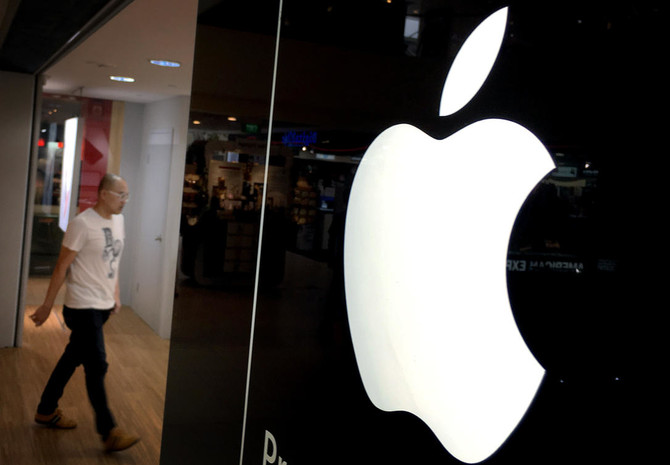
Apple tax avoidance plan laid bare in leaked documents
Apple tax avoidance plan laid bare in leaked documents



Latest updates


Recommended


© 2026 SAUDI RESEARCH & PUBLISHING COMPANY, All Rights Reserved And subject to Terms of Use Agreement.