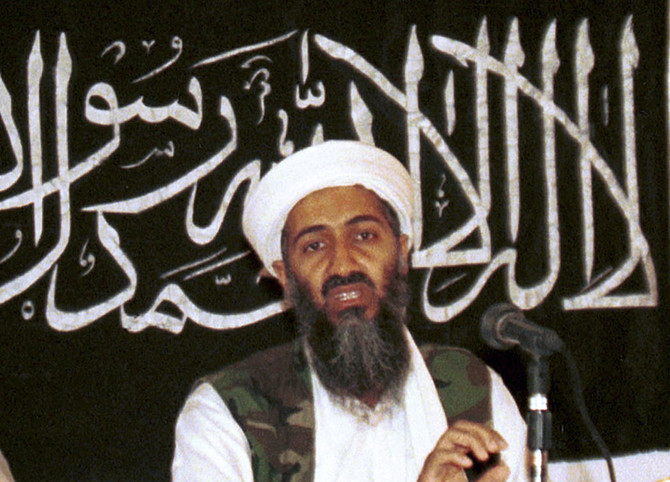
TEHRAN, Iran: Iran has accused the CIA of spreading “fake news” about the Islamic republic with newly declassified files seized in the 2011 raid in Pakistan in which Al-Qaeda chief Osama bin Laden was killed.
The CIA on Wednesday released 470,000 additional files found in May 2011 when US Navy SEALs burst into Bin Laden’s compound in Abbottabad and shot him dead.
According to scholars from the Foundation for Defense of Democracies (FDD), who were allowed to see the trove before it was made public, the files shed new light on the murky relationship between the Sunni extremist group and Shiite Iran.
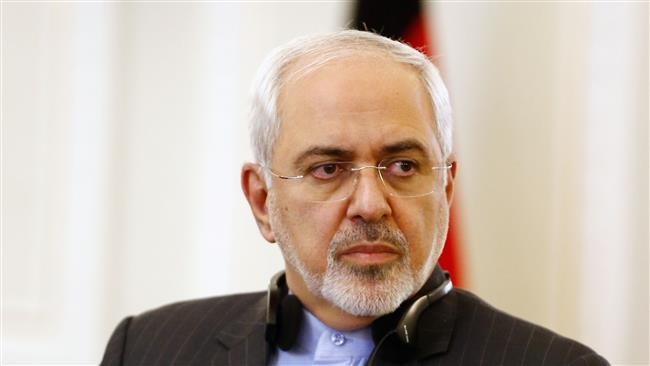
Iranian Foreign Minister Mohammad Javad Zarif dismissed the allegations.
“A record low for the reach of petrodollars: CIA & FDD fake news w/selective AlQaeda docs re: Iran can’t whitewash role of US allies in 9/11,” he wrote on Twitter late on Thursday.
The release of the files comes as US President Donald Trump’s administration seeks to ramp up pressure on Iran, refusing to certify a landmark nuclear deal between Tehran and world powers.
Iran denies any link to Al-Qaeda and has provided financial and military backing to help the Syrian regime fight Sunni extremists and other opponents.
The Fars news agency, which is close to Iranian conservatives, said Thursday that the selective publication of documents by the CIA related to Al-Qaeda was part of efforts “to put pressure on Iran.”


![]()
![]()
![]()
Iran denounces CIA ‘fake news’ in Bin Laden files

Iran denounces CIA ‘fake news’ in Bin Laden files


Latest updates


© 2026 SAUDI RESEARCH & PUBLISHING COMPANY, All Rights Reserved And subject to Terms of Use Agreement.