SINGAPORE: Singapore Airlines will spend $850 million to increase the overall seat count by up to a quarter in its fleet of A380 superjumbos, and halve the number of first-class suites, as it seeks to combat lower airfares and boost its competitiveness.
The airline, like its Hong Kong-based rival Cathay Pacific Airways, has been struggling against mounting global competition from Chinese and Middle Eastern rivals and low-cost carriers, without domestic flights to underpin their earnings.
Singapore Airlines’ yields, a proxy for airfares, are currently at a seven-year low and its A380 seat count has been the lowest in the industry.
After the planned revamp, the seat count in the Singapore Airlines A380s — which it flies to destinations like Sydney, London and Hong Kong — will rise by as much as 24 percent to 471 as the airline makes better use of the aircraft’s space without reducing the size of economy class seats.
British Airways, with 469 seats, will be the only carrier with a lower A380 seat count after the revamp.
The new A380 seats will enter service in December on the first of five new aircraft joining its fleet, and 14 existing planes flying with products designed a decade ago will be retrofitted by 2020.
The revamped A380s will have six first class seats, versus 12 earlier, which CEO Goh Choon Phong said would better match supply and demand at a time when the airline is undertaking a three-year transformation plan to stay competitive.
Singapore Airlines has long had a reputation for its premium products and service, which rivals Middle Eastern carriers like Etihad Airways and Emirates in terms of luxury, and its new first class suites will be nearly 70 percent larger than the old ones.
“We are very good at doing a lot of premium things for our customers in a cost-effective manner,” the CEO told Reuters on the sidelines of an event to unveil the seats.
Some carriers, including United Airlines and Qantas Airways, have not installed first class on newer aircraft given more demand for business class, which now often has fully flat-beds that were once exclusive to first class.
But for other airlines, first class remains a showpiece for attracting elite passengers and for broader brand marketing.
CAPA Center for Aviation Chief Analyst Brendan Sobie said it made sense for Singapore Airlines to have fewer first class suites, given they were less full on average than other cabins. “The yield premium that it generates and marketing benefit makes it worthwhile to retain and improve,” he said.
“Economy and premium economy revenues will increase due to the higher seating density. Overall the profitability of the A380 should improve, making the investment worthwhile.”


![]()
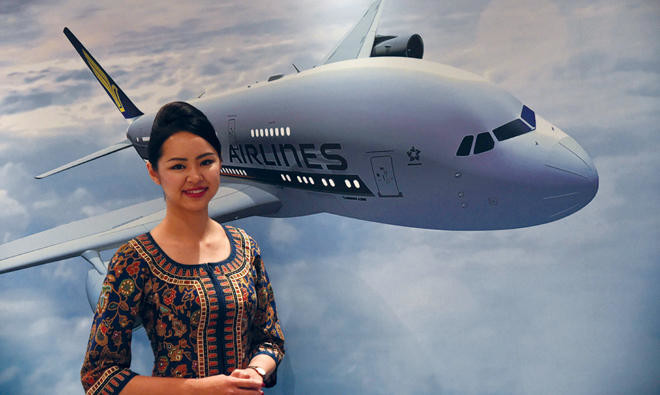
Singapore Airlines set to splash the cash in bid to up seat count by a quarter
Singapore Airlines set to splash the cash in bid to up seat count by a quarter


Latest updates


© 2026 SAUDI RESEARCH & PUBLISHING COMPANY, All Rights Reserved And subject to Terms of Use Agreement.