DUBAI: The UAE has been named the Middle East’s most popular destination for expats, and 10th in the world, in a survey that polled nearly 30,000 migrant workers around the globe.
The HSBC Expat Explorer Survey 2017 placed the UAE two places higher than the previous year, ahead of destinations such as the US, UK and Hong Kong Singapore remained at the top of the list, while Norway climbed six places to the second spot, ahead of New Zealand that dropped a place. Meanwhile Germany and the Netherlands both climbed dramatically into the top five compared to the previous year.
In the latest HSBC Expat Explorer Survey, the UAE climbed two places to secure the tenth position, edging out Switzerland, which dropped from the fifth spot in the 2016 rankings to the 11th place.
Bahrain was ranked 13, having dropped from ninth in 2016, while Oman was 15th, up three places from the previous year.
The survey looked at people’s salaries, career growth potential, job security and savings, but it also asked people about social issues, such as how easy it was to make friends, health care and access to culture.
People were also asked about how easy it was raise children, how safe people felt where they were living and general quality of life.
The UAE scored high on economic areas, coming fifth overall, but did not fare so well on areas concerning people’s social and family lives.
“Expats living in the UAE are rewarded for their hard work… (it) attracts a wide range of people keen to live and work away from home,” the report stated.
Proportionately there are more expats living in the UAE than any other country, who said their motive to moving to the UAE was to improve their earnings.
“With a small local population, the UAE’s economy depends on qualified expats who move here to boost their income. It came fifth in the economics category of our 2017 Expat Explorer Survey, with high rankings for disposable income, wage growth and career progression” the report added.
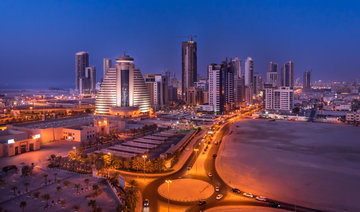
Bahrain came 13th overall in the survey, scoring particularly well on earning potential and for raising children, with 71 percent of those questioned believing there were better opportunities than in their home countries.
“Bahrain also scored highly as a place to raise children – 71% of expat parents believe their children have a better quality of life than in their home country and 57% said that Bahrain offered better health and wellbeing options for their offspring,” the report explained.
Described as the “Arabian peninsula’s scenic gem,” Oman is described as laid back and accepting, as well as tolerant.
But while Oman climbed three places in the 2017 survey, the report did warn that expats were finding it increasingly difficult to find work.
“It’s becoming more difficult for expats to get a job in the country due to its Omanization program,” the report explained.
But it added: “If you’re able to work in Oman, you’ll probably earn well and have a higher disposable income than you did back home. And there’ll be plenty of opportunities for you to spend your money – from dining in gourmet restaurants to shopping at traditional markets known as souks.”
Other countries of note, included India at 14, while the Philippines were 24th – ahead of the US and the UK which ranked 27th and 35th respectively.
Meanwhile Saudi Arabia was 40th, Kuwait came 42nd and Egypt 46th.


![]()

Three Gulf nations make top 20 most popular countries with expats
Three Gulf nations make top 20 most popular countries with expats

Latest updates


© 2026 SAUDI RESEARCH & PUBLISHING COMPANY, All Rights Reserved And subject to Terms of Use Agreement.