MANILA: Western consumer giants are polluting oceans by selling products packaged in cheap, disposable plastic to Filipinos, Greenpeace has claimed — naming Nestle, Unilever and Procter & Gamble among the worst offenders.
The environmental group ranked the Philippines as the “third-worst polluter into the world’s oceans” after China and Indonesia in a report released Friday in Manila.
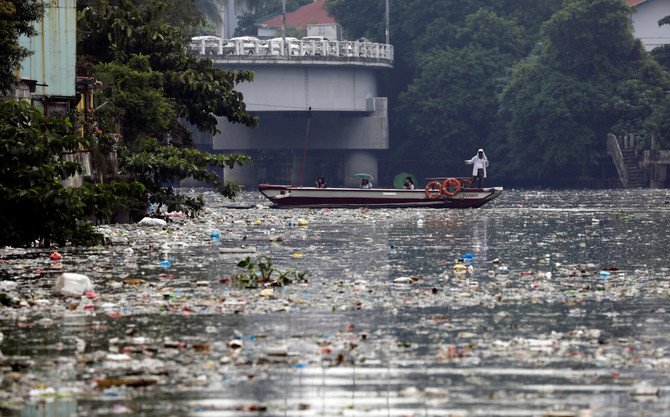
Single-use plastics from products sold by conglomerates, such as bags, bottle labels, and straws, stood out during a week-long Greenpeace clean-up campaign held on Manila Bay this month, it said.
More than 54,200 pieces of plastic waste were recovered from the bay in total, including some 9,000 from Nestle products — the most frequently-seen brand, according to a tally kept by the group.
“These corporations are the missing piece in the global fight against plastic pollution,” Greenpeace campaigner Abigail Aguilar said in a statement.
Greenpeace said plastic waste was a particularly serious problem in “sachet economies” like the Philippines and other developing countries, where people on limited incomes are pushed to buy cheap goods in small quantities.
In the Philippines, a country of 103 million people with high levels of poverty, products sold in single-use sachets include instant coffee, shampoo, cooking oil, food seasoning and toothpaste.
These low-value disposable sachets usually end up in landfill or as litter or marine debris, according to Greenpeace.
Nestle provided Aguilar details of its “environmental sustainability projects” on Friday, she said.
Unilever, number two on the Greenpeace list, and number five Procter & Gamble did not respond to the group’s correspondence, said regional Greenpeace spokeswoman Angelica Pago.
The solutions proposed by Nestle were “still promoting incineration and end-of-pipe solutions, while Greenpeace advocates for waste reduction and banning of single-use plastics altogether”, Pago added.
Nestle told AFP it was putting together material to explain its waste management efforts, but that the presentation would not be ready until next week. Procter & Gamble and Unilever did not immediately respond to AFP’s request for comment.
Greenpeace said the Philippines contributed 1.88 million tons of “mismanaged plastic waste” each year, with Thailand, Vietnam and Malaysia also on its list of the world’s biggest ocean plastic polluters.
The problem is expected to worsen as these countries’ growing economies lead to rising incomes and “exploding demand for consumer products”, the campaign group said.
Plastic waste from products made by Indonesian firm PT Torabika Mayora was third most-seen on Manila Bay, Greenpeace said, with local firm Universal Robina Corp. at number four.


![]()
Big Western brands polluting oceans with cheap plastic in Philippines, Greenpeace says
Big Western brands polluting oceans with cheap plastic in Philippines, Greenpeace says



Latest updates


Recommended


© 2026 SAUDI RESEARCH & PUBLISHING COMPANY, All Rights Reserved And subject to Terms of Use Agreement.