RIYADH: The Ministry of Labor and Social Development said that the plan to implement third phase of its decision on feminizing and nationalizing shops selling women’s accessories at indoor malls, outdoor shopping centers and independent stores will start Oct. 21; the decision has been welcomed by women across the country.
Emphasizing that this third phase was to begin last Oct. 2, the delay gave both the establishments and employers the opportunity to prepare female-friendly workplaces in a better way.
The decision comes within the efforts and the commitment of the ministry to ensure proper provision of suitable and stable work environments, and expand work fields for Saudi women in the private sector, thus contributing to productivity and motivation in the workplace.
It further said that the third phase follows the earlier implemented first and second phases targeting stores selling women’s accessories such as perfumes, shoes, socks, purses, ready-to-wear clothes and women’s fabrics, in addition to department stores selling only women’s garments and other accessories.
Moreover, the decision also covers independent stores that sell gowns, wedding dresses, abayas (cloaks), jalabiyas (traditional dresses), mother-care products and other related accessories, as well as pharmacies with sections that sell cosmetics.
Welcoming the move Hayat Al-Maskeen, a public relations manager in Riyadh told Arab News Wednesday: “Feminizing these women-only stores in the Kingdom is a great step and I support it for creating opportunities for Saudi women.”
She, however, underscored that proper training should be provided to each employee for efficient customer service.
“We go shopping and pay for purchased accessories expecting good service in return, but sometimes girls in the sales segment lack the required skills; fulfilling that will make the decision even better,” she pointed out.
Iffat, a shopper at a city mall, said: “We welcome the move; it will make shopping more women friendly, and dealing with women staff is a better idea.”


![]()
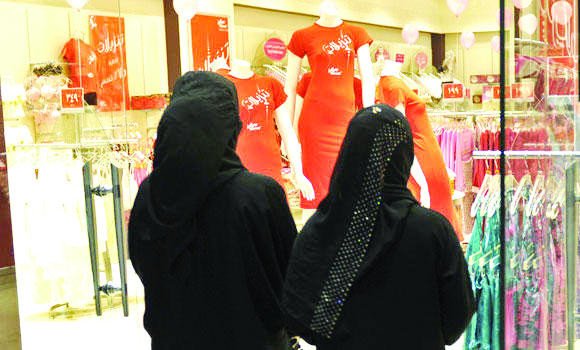
Efforts for female-only staff in Saudi women’s wear shops welcomed
Efforts for female-only staff in Saudi women’s wear shops welcomed


Latest updates


© 2026 SAUDI RESEARCH & PUBLISHING COMPANY, All Rights Reserved And subject to Terms of Use Agreement.