JEDDAH: The Syrian opposition is cautiously optimistic about new peace talks but wants guarantees on safety and security for civilians and strengthened de-escalation zones, an opposition leader told Arab News on Wednesday.
He spoke as key international players in Syria’s civil war gathered in Kazakhstan for a fresh round of negotiations over a Russian-led plan to ease fighting on the ground.
Representatives from Russia and Iran, who are the Assad regime’s key backers, and Turkey, which supports opposition groups, held “talks on an expert level” to lay the groundwork for two days of meetings that will include regime and opposition representatives, Kazakhstan’s Foreign Ministry said.
Delegates will be expected to discuss the fate of over 3 millions Syrians living under siege by regime forces and Iranian and Hezbollah militias, Yahya Al-Aridi, a political adviser to the Syrian High Negotiations Committee (HNC), told Arab News.
They will also try to finalize details of a proposed de-escalation zone in the northern Idlib province, after Moscow set up three other safe areas around the country in a move that has led to a reduction in violence.
There remain major disagreements over who will police the zone covering opposition-held Idlib, on Syria’s northern border with Turkey, as Ankara and Tehran jockey for influence.
“We are cautiously optimistic about the Astana 6 talks as there will be the biggest gathering of individuals representing the various Syrian opposition fronts,” Al-Aridi said.
“We are seeking to ensure the safety and security of civilians, innocent Syrian people who are been denied basic commodities because of the siege imposed by the criminal regime’s forces and the sectarian militias.”
He said the Syrian opposition representatives had agreed to urge the UN and the Russian parties to pressure the Syrian regime to allow aid convoys into the besieged areas.
Al-Aridi said the aim of their participation in the meeting was to strengthen the de-escalation zones in Syria, in Eastern Ghouta, the south, and north of Homs, and to discuss violations of the cease-fire agreement signed in Ankara at the end of the last year.
He said there was a potential obstacle in the presence of the Hay’at Tahrir Al-Sham, formerly known as Jabhat Al-Nusrah, in the negotiated areas, and the militants would have to accept any agreement reached in the talks.
“Hayat Tahrir Al-Sham forces will have to give up their arms for the sake of the safety of civilians. If they refuse then they will hear a different tone from us,” he said.
Al-Aridi believes that once an agreement is reached with the consent of all parties in Astana, it would pave the way for serious political talks in the forthcoming meeting in Geneva.
“The Astana meeting is dedicated to the military and humanitarian aspects of the Syrian crisis, while in Geneva the talks will focus on the political process,” he said.
“We will also discuss the fate of tens of thousands of Syrians who were forcibly arrested by regime mobs and sectarian militias. We will urge the UN and the Russian Federation to secure their release, and to end the brutal detention practiced by the Syrian regime against innocent people.”
The talks in Astana are the sixth round of negotiations Moscow has led since the start of the year as it seeks to pacify Syria after its game-changing intervention on the side of Bashar Assad.


![]()
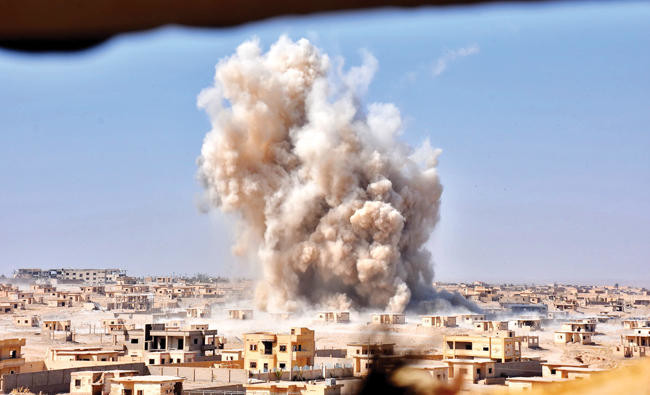
Syrian opposition ‘cautiously optimistic’ at Astana talks
Syrian opposition ‘cautiously optimistic’ at Astana talks


Latest updates



© 2026 SAUDI RESEARCH & PUBLISHING COMPANY, All Rights Reserved And subject to Terms of Use Agreement.