DUBAI: It is fair to assume that many readers will be somewhat familiar with the ultra-popular saga “Game of Thrones.” It just wrapped up its seventh, penultimate, season, which had more than 25 million viewers in the US alone last year. That is not including global viewership, nor the astounding records being broken for pirated downloads, with several outlets reporting it to be the most-torrented TV program around the world.
Based on George R. R. Martin’s “A Song of Ice and Fire” book series, the hit show has created a fresh crop of stars in a variety of roles, but the real scene-stealing characters are often the epic landscapes, quaint castles and other-wordly towns — all entirely tangible places across Europe and North Africa. Here are three regions from season seven where Game of Thrones super fans can book a ticket and go bend the proverbial knee.
The location: Highgarden
Country: Spain
Farewell, Queen of Thorns. We all loved Olenna Tyrell, all the way until she met her fate at the hands and poisoned chalice of Jaime Lannister. The aged but vivacious Tyrell would do anything for her family but sadly was not able to defend Highgarden, the historic seat of House Tyrell, famed for its complex maze and fertile surroundings.
The castle: Castillo de Almodóvar del Río
The real-life location, on the banks of the river Guadalquivir in the Andalusian province of Córdoba, is equally impressive. The castle dates date to the 8th century when the Moors ruled the Iberian Peninsula, harking back to an era in Europe that truly reflected the bloody feuds in the “World of Ice and Fire.” The good news is the location is open to the public and you can visit the lofty towers and the castle’s dungeons.
The location: Beyond the Wall
Country: Iceland
Hordes of “Free Folk” were united beyond the wall by Mance Rayder and almost besieged Castle Black in season four but were held at bay by Lord Commander Snow and later overrun by Stannis Baratheon’s forces. More recently, Snow and his fellowship of allies returned to kidnap a zombie “wight” for evidence of the war to end all wars.
Some of the show’s most incredible snowy scenes were shot in Iceland. In fact, the “Game of Thrones effect” has been linked to Iceland’s spike in visitor numbers, from 566,000 in 2011, the year it premiered, to more than one million by 2015 — and there are plenty of dedicated travel packages on offer.
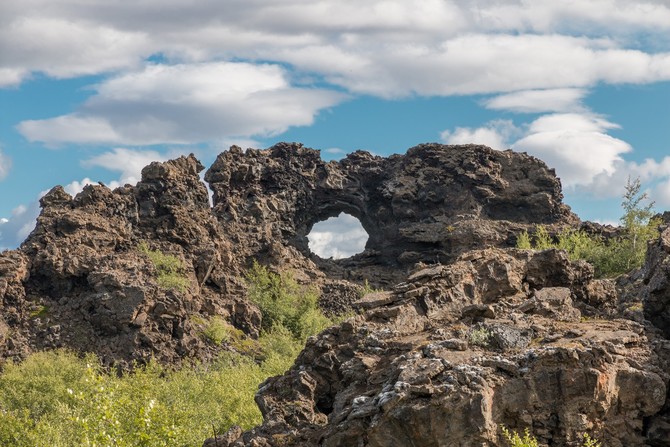
Mance Rayder’s camp: Dimmuborgir
In the real world, the main Wildling camp was just south of the town of Húsavik in a lava field with distinctive rock formations. Dimmuborgir is deeply entwined with Icelandic folklore and was believed to be the home of murderous trolls — somehow fitting for a violent fantasy show.
The cave: Grjótagjá
When Jon Snow first went beyond the wall he shared a memorable moment with his redheaded friend, Ygritte, at Grjótagjá, a natural hot spring. The small lava cave near Lake Mývatn is in northeast Iceland and the spring can reach temperatures of 50°C even during the winter months.
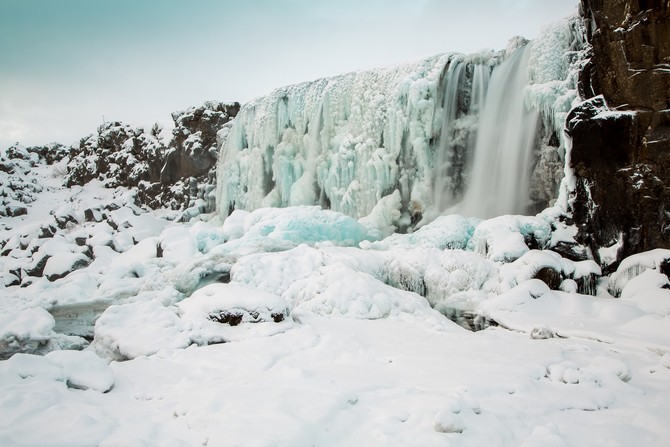
Sweeping landscapes: Thingvellir National Park
When not buried under meters of snow, some of the Icelandic filming locations are popular summertime getaways. Thingvellir is a UNESCO World Heritage Site where the Alþingi (the national parliament of Iceland) was established more than one thousand years ago in 930 AD. Fans can even find real shards of “dragonglass” here — pieces of cooled lava known as obsidian.
The location: Dragonstone
Countries: Northern Ireland and Spain
The birthplace of Daenerys Targaryen has cropped up a few times throughout the show, both as the stronghold of the ill-fated Stannis Baratheon and where the “mother of dragons” sets up base on her return to Westeros. What is potentially confusing is that “Dragonstone” is not only the name of the castle, but also the island itself, which lies at the outer edge of the fictional Blackwater Bay.
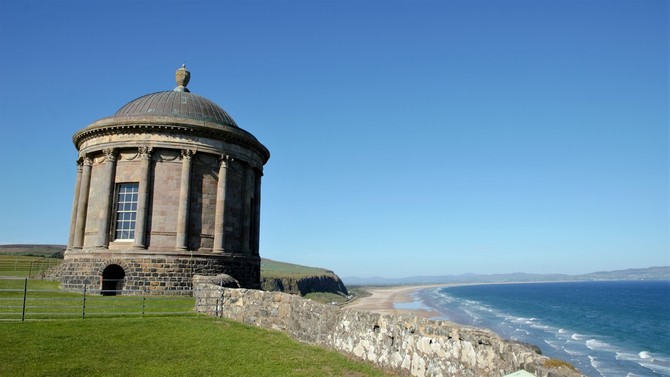
The beach: Downhill Strand, Northern Ireland
Stannis “The Mannis” Baratheon and his devout adviser Melisandre burned wooden idols on this beach in County Londonderry. One of the longest stretches of sand in Northern Ireland at 11km, it is overlooked by the tiny Mussenden Temple.
The footbridge: San Juan de Gaztelugatxe, Spain
One of the filming units for season seven set up camp near Bilbao, on the north coast of Spain, to film several scenes on the incredible islet. It is far more secluded and peaceful than the likes of Madrid and Barcelona — for now.


![]()
![]()
![]()
![]()
![]()

The ultimate ‘Game of Thrones’ travel guide

The ultimate ‘Game of Thrones’ travel guide

Latest updates


© 2026 SAUDI RESEARCH & PUBLISHING COMPANY, All Rights Reserved And subject to Terms of Use Agreement.