ASTANA: Kazakhstan said Tuesday that the next talks to try to thrash out a Syria peace plan in its capital Astana may be held in mid-September, after Russia had planned to hold them in late August.
Kazakhstan’s foreign ministry wrote on Facebook that the timing of the talks would be set at a meeting this month between experts from Russia, Turkey and Iran and “provisionally, we could be talking about mid-September.”
The ministry said it was quoting diplomatic chief Kairat Abdrakhmanov’s comments to journalists on the sidelines of a government meeting.
Abdrakhmanov said that the date change was based on “information received from Russia.”
Russian Foreign Minister Sergei Lavrov told journalists in Moscow on Monday that the expert-level meeting would be held “by the end of the month or right at the start of September.”
He did not give a precise date for the full Astana talks. Russia had previously been planning a fresh round of talks in the Kazakh capital in late August.
Earlier peace talks in Astana saw Russia, Turkey and Iran hammer out a plan to establish safe zones across swathes of Syria.
UN Syria envoy Staffan de Mistura said last week that he hopes to launch “real, substantive” peace talks between the government and a still-to-be-formed unified Syrian opposition in October.
De Mistura has previously hosted seven rounds of largely unsuccessful talks in Geneva, with the fate of President Bashar Assad standing out as a main obstacle to progress.


![]()
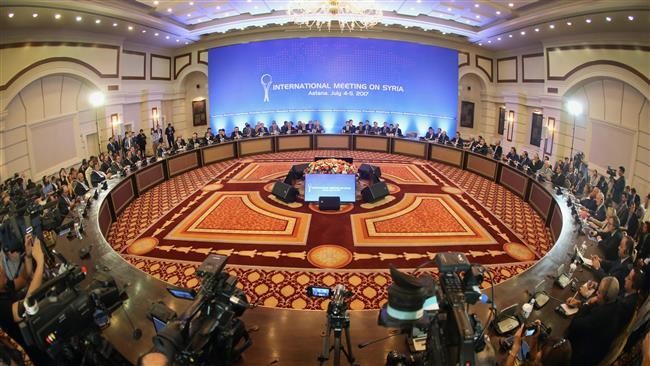
Syria peace talks in Astana postponed to September: Kazakhstan
Syria peace talks in Astana postponed to September: Kazakhstan
Latest updates


© 2026 SAUDI RESEARCH & PUBLISHING COMPANY, All Rights Reserved And subject to Terms of Use Agreement.