JEDDAH: Houthi militants are expelling civilian patients from hospitals in Sanaa and other provinces, sources told Arab News.
The sick are being removed from their beds to make way for leaders of the so-called Houthi “popular committees” and their families, as well as injured militants coming back from the battlefield.
Sources in Yemen said Houthi militants used weapons to expel patients from all departments of the largest Yemeni armed forces hospitals in Sanaa and Dhamar. They also threatened to kill doctors and nurses if they tried to protest or prevent them from expelling the patients.
Sources also said that Houthi militias are stealing medicines destined for patients in order to sell them to pharmacies.
Local sources in Al-Bayda province said that forces loyal to deposed President Ali Abdullah Saleh had robbed a medical center and forbade staff from offering the most basic services to patients and those in need.
Armed militants in Hajjah prevented local medical centers from receiving cholera patients, the sources said.
Leaders of the “popular committees” are doing this to pressure people in these areas to send their sons to the battlefield, it was claimed.
Meanwhile, an International Red Cross delegation to Marib province heard testimonies regarding human rights violations against civilians that were committed by Houthi militias and forces loyal to Saleh, Sabaa news agency reported Wednesday.
Testimonies were heard from the mothers and wives of detainees in Houthi prisons.
Houthi militias kidnapped their relatives from roads, markets and houses, and some died due to torture in prisons and detention centers, witnesses said.
The militias raided houses without any legal justification, and arrested men, children and women, according to the testimonies.
The militias terrified families, imposed compulsory taxes, conscripted children, blew up buildings and looted homes and stores, witnesses said.
Separately, Reuters reported that the central bank of Yemen floated the national currency, instructing banks to follow the market rate in a move aimed at shoring up a financial system battered by war.
A circular said the Aden bank had ditched the official rate of 250 riyals to the dollar in favor of “the exchange rate prevalent in the market... in accordance with the exchange rate lists issued by the central bank.”


![]()
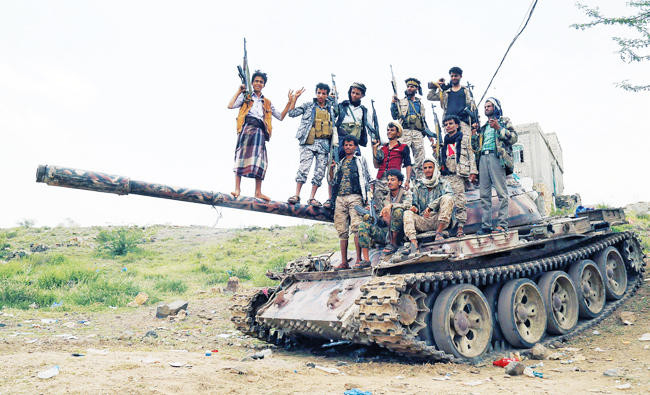
Houthis ‘expelling Sanaa hospital patients to treat leaders and fighters’
Houthis ‘expelling Sanaa hospital patients to treat leaders and fighters’

Latest updates


© 2026 SAUDI RESEARCH & PUBLISHING COMPANY, All Rights Reserved And subject to Terms of Use Agreement.