MADINAH: The Ministry of Islamic Affairs branch in Madinah has implemented its plans for the 2017 Hajj season.
Sheikh Fahd Al-Tuwaijri, the director general of the branch, affirmed that preparations for welcoming pilgrims started early on, and involved meetings with officials, supervisors of mosques, and maintenance organizations.
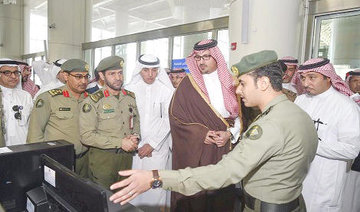
Many field visits were reportedly conducted to mosques in Madinah, such as the Masjid Al-Qiblatayn, and actions were taken to improve the conditions and provide the best environment for visitors.
These concluded with a visit to Miqat Mosque with the ministry’s director general of maintenance, to ensure that the facilities are available to allow pilgrims to perform their rites with ease and comfort.
Al-Tuwaijri added that the Saudi government does its best to overcome any difficulties pilgrims may face in performing Hajj with peace and comfort, regardless of their nationality. Calls for politicizing and internationalizing Hajj will certainly fail, as with all other previous attempts, Al-Tuwaijri added.
Al-Tuwaijri prayed for the protection of Saudi Arabia and its leaders and for the safety and safe return of pilgrims to their home countries.


![]()

Madinah branch of Islamic Affairs Ministry implements 2017 Hajj plan
Madinah branch of Islamic Affairs Ministry implements 2017 Hajj plan

Latest updates


Recommended


© 2026 SAUDI RESEARCH & PUBLISHING COMPANY, All Rights Reserved And subject to Terms of Use Agreement.