DUBAI: Fifteen aid groups on Wednesday called on warring parties in Yemen to reopen the country’s main airport, saying a year-long closure was hindering aid and preventing thousands of patients from flying abroad for life-saving treatment.
Yemen has been torn apart by a civil war in which the government of President Abed Rabbo Mansour Hadi, backed by a Saudi-led military coalition, is trying to push back gains made by the Iran-aligned Houthi group.
The Houthis control most of the north, including the capital Sanaa and its international airport while the Saudi-led coalition controls the airspace. Any reopening would need an agreement between the two sides, which blame each other for Yemen’s humanitarian disaster.
“The official closure of Sanaa airport, one year ago today, effectively traps millions of Yemeni people and serves to prevent the free movement of commercial and humanitarian goods,” the statement signed by groups including the International Rescue Committee and the Norwegian Refugee Council said.
Yemen has had more than 400,000 suspected cases of cholera in the past three months in an epidemic that has killed 1,900 people, the World Health Organization (WHO) said in late July.
The aid groups said: “The current cholera outbreak and near-famine conditions in many parts of Yemen make the situation far worse. The importance of unhampered delivery of humanitarian aid cannot be overstated.”
Citing UN figures, the statement said an estimated 7,000 Yemenis had gone abroad from Sanaa each year for medical treatment before the conflict. Now the number needing life-saving health care was around 20,000 Yemenis over the past two years because of the violence, it said.
“Yemenis awaiting critical medical treatment abroad now have to find alternative routes to leave the country, which include a 10-20 hour drive to other airports, often through areas where active fighting takes place,” the statement added.


Aid groups: Yemen airport closure hinders aid, traps patients
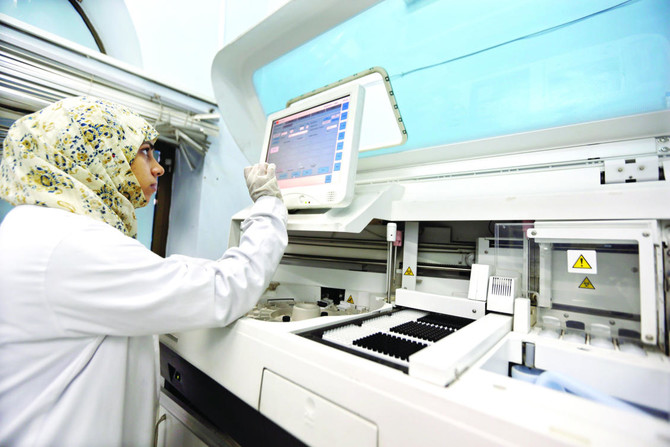
Aid groups: Yemen airport closure hinders aid, traps patients


The art of war: fears for masterpieces on loan to Louvre Abu Dhabi
- UAE paid more than €1 billion to borrow priceless works, but experts in France want them back
PARIS: The Middle East war has raised fears for the safety of priceless masterpieces on loan from France to the Louvre Abu Dhabi, the museum’s only foreign branch.
The Abu Dhabi museum, which opened in 2017, has so far escaped damage from nearly 1,800 Iranian drone and missile strikes launched since the conflict erupted on Feb. 28.
However, concerns are mounting in France. “The works must be removed,” said Didier Selles, who helped broker the original agreement between France and the UAE.
French journal La Tribune de l’Art echoed that alarm. “The Louvre’s works in Abu Dhabi must be secured!” it said.
France’s culture ministry said French authorities were “in close and regular contact with the authorities of the UAE to ensure the protection of the works loaned by France.”
Under the agreement with the UAE, France agreed to provide expertise, lend works of art and organize exhibitions, in return for €1 billion, including €400 million for licensing the use of the Louvre name. The deal was extended in 2021 to 2047 for an additional €165 million.
Works on loan include paintings by Rembrandt and Chardin, Classical statues of Isis, Roman sarcophagi and Islamic masterpieces: such as the Pyxis of Al-Mughira.
A Louvre Abu Dhabi source said the museum was designed to protect collections from both security threats and natural disasters.