The British woman who fled to Syria and became the leading female recruitment officer for Daesh, has told friends she wants to return home, Sky News has reported.
Former punk rocker, Sally Jones, 45, traveled to the Syrian city of Raqqa, with her son and joined the terror network in 2013.
But according to a woman, calling herself “Aisha,” who also traveled to the Daesh-controlled city, said Jones was eager to return to Britain.
She told Sky News: “She was crying and wants to get back to Britain but ISIS (Daesh) is preventing her because she is now a military wife. She told me she wish to go to her country.”
It is unlikely she will get her wish, the US recently named Jones as a prime target for assassination. And top US Diplomat, Brett McGurk said up to 3,500 foreign fighters in Raqqa would die there.
Jones married Junaid Hussain, Daesh’s chief of digital jihad, but he was killed in a US drone strike in 2015, as he planned terror attacks against the West, Sky News reported.
Apparently Daesh has prevented Jones from leaving, because she is a “military bride,” and has not been able to remarry, because the militants prefer younger women.
Meanwhile Jones’ son, now 12-years-old, is believed to have been forced to execute prisoners, video footage was released, that appeared to show him pointing a gun to the back of a prisoner’s head and shooting.


Daesh recruiter Sally Jones wants to leave Raqqa and ‘return home to Britain’ friend claims

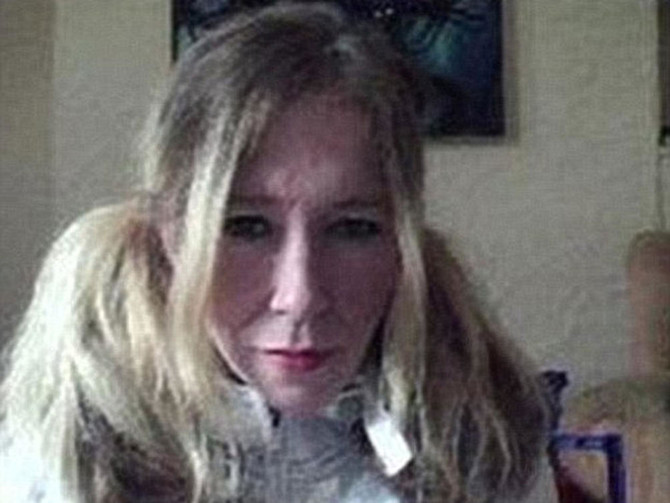
Daesh recruiter Sally Jones wants to leave Raqqa and ‘return home to Britain’ friend claims

UN chief condemns Israeli law blocking electricity, water for UNRWA facilities
- The agency provides education, health and aid to millions of Palestinians in Gaza, the West Bank, Jordan, Lebanon and Syria
United Nations Secretary General Antonio Guterres condemned on Wednesday a move by Israel to ban electricity or water to facilities owned by the UN Palestinian refugee agency, a UN spokesperson said.
The spokesperson said the move would “further impede” the agency’s ability to operate and carry out activities.
“The Convention on the Privileges and Immunities of the United Nations remains applicable to UNRWA (United Nations Relief and Works Agency for Palestine Refugees in the Near East), its property and assets, and to its officials and other personnel. Property used by UNRWA is inviolable,” Stephane Dujarric, spokesman for the secretary-general, said while adding that UNRWA is an “integral” part of the world body.
UNRWA Commissioner General Phillipe Lazzarini also condemned the move, saying that it was part of an ongoing “ systematic campaign to discredit UNRWA and thereby obstruct” the role it plays in providing assistance to Palestinian refugees.
In 2024, the Israeli parliament passed a law banning the agency from operating in the country and prohibiting officials from having contact with the agency.
As a result, UNRWA operates in East Jerusalem, which the UN considers territory occupied by Israel. Israel considers all Jerusalem to be part of the country.
The agency provides education, health and aid to millions of Palestinians in Gaza, the West Bank, Jordan, Lebanon and Syria. It has long had tense relations with Israel but ties have deteriorated sharply since the start of the war in Gaza and Israel has called repeatedly for UNRWA to be disbanded, with its responsibilities transferred to other UN agencies.
The prohibition of basic utilities to the UN agency came as Israel also suspended of dozens of international non-governmental organizations working in Gaza due to a failure to meet new rules to vet those groups.
In a joint statement, Canada, Denmark, Finland, France, Iceland, Japan, Norway, Sweden, Switzerland and the United Kingdom said on Tuesday such a move would have a severe impact on the access of essential services, including health care. They said one in three health care facilities in Gaza would close if international NGO operations stopped.


