DOHA: Qatar will not negotiate with Arab countries that have cut economic and travel ties with it unless they lift their measures against Doha, Foreign Minister Sheikh Mohammed bin Abdulrahman Al-Thani said on Monday.
“Qatar is under blockade, there is no negotiation. They have to lift the blockade to start negotiations,” he told reporters. “Until now we didnt’ see any progress about lifting the blockade, which is the precondition for anything to move forward.”
He added that Qatar had still not received any demands from Saudi Arabia, the United Arab Emirates and Bahrain, which severed ties two weeks ago, triggering the worst Gulf Arab crisis in years. Qatar’s internal affairs are non-negotiable, he said, including the future of Doha-based channel al Jazeera.


Qatar says won’t negotiate until economic boycott ends
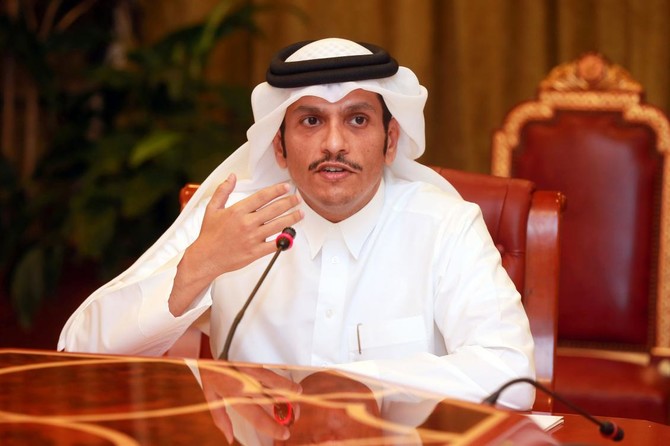
Qatar says won’t negotiate until economic boycott ends
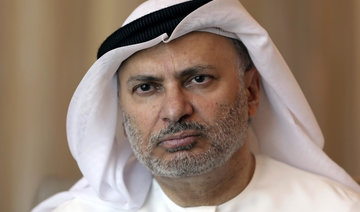


Iraq PM candidate Al-Maliki meets senior US diplomat
- Last month President Donald Trump intervened in Iraq’s affairs by issuing an ultimatum that if Al-Maliki — a two-time former premier with close ties to Iran — was named Iraq’s next prime minister, the US would no longer help the country
BAGHDAD: The leading candidate to become Iraq’s next prime minister, Nouri Al-Maliki, met with US diplomat Tom Barrack on Friday after refusing to withdraw his nomination despite the US threatening to stop supporting the country if he returns to the post.
Barrack, the US envoy to Syria and ambassador to Turkiye, has recently visited Iraq multiple times to meet with senior officials.
Maliki’s media office said in a short statement that the PM candidate stressed during the meeting “the need to respect Iraq’s sovereignty and the will of its people.”
He also spoke of the “importance of supporting the democratic process and strengthening political stability” in Iraq.
It wasn’t clear what message Barrack conveyed to Maliki.
Last month President Donald Trump intervened in Iraq’s affairs by issuing an ultimatum that if Al-Maliki — a two-time former premier with close ties to Iran — was named Iraq’s next prime minister, the US would no longer help the country.
Trump’s threat left Iraqi leaders at a loss, particularly within the Coordination Framework — a ruling alliance of Shiite groups with varying degrees of links to Iran that nominated Maliki.
Earlier this week, Al-Maliki told AFP he would not withdraw his nomination, while also seeking to allay Washington’s concerns.
“I have absolutely no intention of withdrawing out of respect for my country, its sovereignty, and its will,” Al-Maliki told AFP in an interview.


