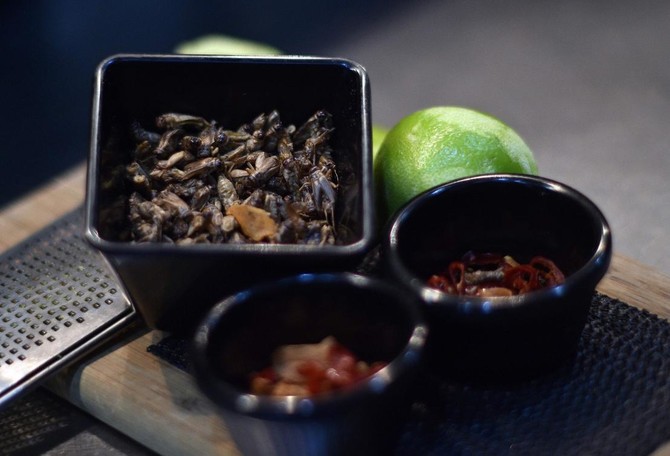



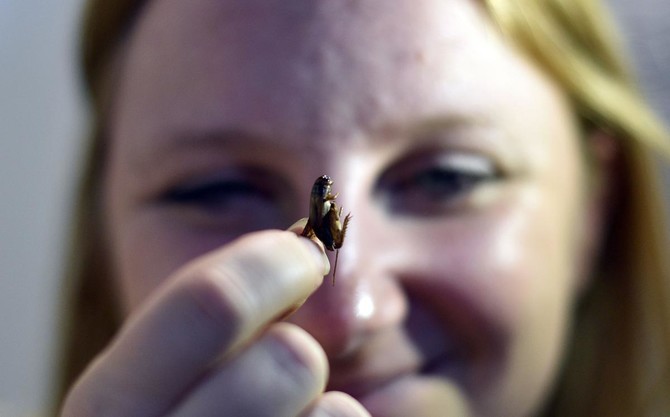
SYDNEY: With a twist of lime and a dash of salt Sydney chef Nowshad Alam Rasel flavours a hot pan full of crickets, tossing them over a flaming stove.
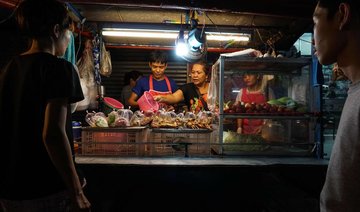
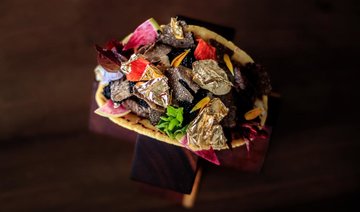
The savoury snack, which would not be out of place at a Mexican cantina or a Bangkok street stall, is creeping onto menus at Australian boutique eateries such as El Topo, challenging the inhibitions of diners.
“When they come for the first time, the customer very much wants to know what it is,” says sous-chef Rasel, as he neatly plates up the fried critters, topped with slices of fresh chilli.
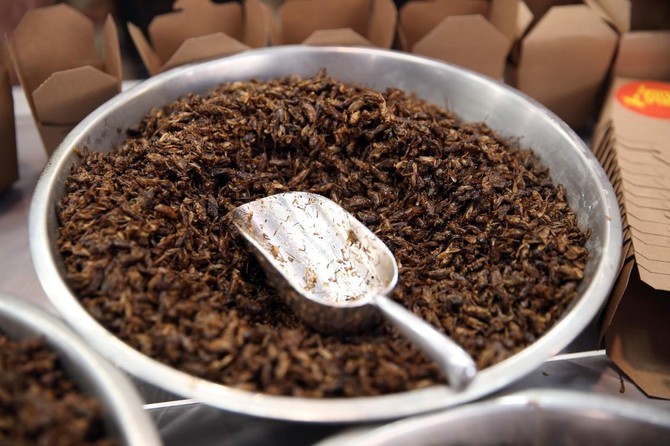
Roasted cockroach, honey-flavoured ants, mealworm and chocolate coated popcorn are now available to try and buy — and while the cuisine remains a novelty, there are signs it is growing in popularity.
Consumer attitude toward eating insects are usually split explains Skye Blackburn, owner of Australia’s largest insect supplier, the Edible Bug Shop in Sydney.
“The first kind of people are completely grossed out and they really can’t change their mind and they kind of just want to come and have a look and don’t want to try it really,” the entomologist says.
“And then we get the second kind of people that really want to learn more and some of them will try edible insects and some of them won’t, but they will go away and talk about insects and they’ll spread the word about what they have seen that day,” she adds.
High in protein, cheap to produce, and with a much lighter carbon footprint than meat or dairy farming, bugs are already part of the diet for more than two billion people worldwide, according to the United Nations.
Advocates of increased consumption say it will help feed a bulging global population as land becomes scarce and climate change threatens conventional food supplies like fish.
Insects such as beetles, caterpillars, crickets and even spiders are common in diets across parts of Asia, Latin America and Africa, while Australia’s Aborigines have eaten bush tucker including ants, moths and larvae for thousands of years.
But they are a difficult sell in the Western world where people struggle to dissassociate the nutritional value from the source, with most insects considered pests.
“You have to name them something else,” suggested one El Toro patron when asked about overcoming fears of eating insects in Australia.
“We don’t eat cow, we tend to eat steak and sausages,” he says. “With pig we eat pork and bacon, so you have to start by naming them something else.”
Blackburn is leading the charge to change the perception of edible insects.
She runs Australia’s only commercial bug farm, supplying a growing number of restaurants across the country, breeding hundreds of kilogrammes of insects each week, including savoury crickets, dehydrated ants, and even a “special” kind of roasted cockroach “that don’t have any germs on them.”
Australia’s trendy urban farmer’s markets too are a popular spot for her produce, with inquisitive foodies sampling creations like mealworm and chocolate coated popcorn, and green tea and honey roasted black ants.
“I’m going to go a big gob,” says 53-year-old market goer Guy McEwan, putting a handful of a savoury mix of mealworms, ants, crickets and popcorn into his mouth.
“It’s great. I love em, I love bugs,” he adds, likening the texture and flavour to crisps.
Others at the crowded Saturday market in the hip Sydney suburb of Redfern are drawn to the novelty.
“Sometimes when you move the packet it looks like they’re alive,” says Danny Stagnitta, 42, while giving his snack box a shake.
Back at El Topo, while the bugs remain a hot item among Sydney’s experimental diners, it may be some time yet before it becomes a staple in Australian homes.
Nine-year-old diner Alexandria winces as she samples the fried crickets.
She concludes: “It feels awkward and weird that you’re eating an insect. You would normally eat meat.”