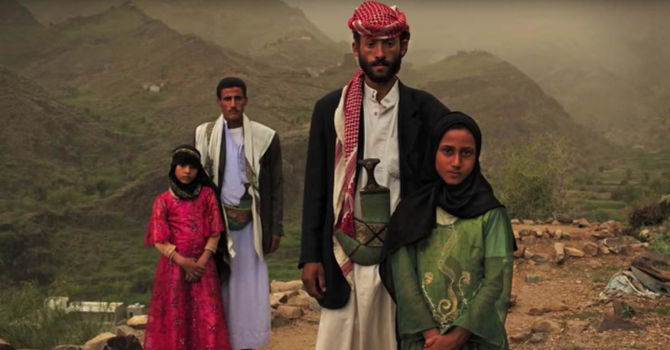
LONDON: Child marriage has soared in Yemen as families struggle to feed their children amid a conflict that has left the country on the brink of famine, the UN children’s agency said on Monday.
More than two thirds of girls in Yemen are married off before they reach 18, compared to half of girls before the conflict escalated, UNICEF said in a report to mark the second anniversary of the war.
It said parents struggling with deepening poverty were increasingly marrying off their daughters to reduce costs and the number of mouths to feed or because they believed a husband’s family could offer better protection.
Around 80 percent of families in Yemen are in debt or are borrowing money to feed their children, the agency said.
Dowry payments — paid by the husband’s family in Yemen — are an additional incentive for poor parents to marry daughters off early, it added.
There is no minimum age of marriage in Yemen where campaigners say girls are sometimes wed at eight or nine. Some die from rape injuries or childbirth complications after becoming pregnant before their bodies are fully developed.
Yemen’s hunger crisis follows two years of civil war pitting the Iran-allied Houthi group against a Saudi-backed coalition, which has caused economic collapse and severely restricted food and fuel imports.
More than 10,000 people have been killed in the conflict and around 3 million people have fled their homes, although some are now returning.
Early marriage is especially common in Al Hudaydah, Hajah and Ibb governorates that host large numbers of uprooted people, UNICEF said.
“One of the first casualties when families are displaced and lose their incomes is girls,” UNICEF’s spokesman in Yemen, Rajat Madhok, told the Thomson Reuters Foundation.
Initial results from a new UNICEF study on child marriage suggest around 44 percent of girls and women are married under the age of 15 in some parts of Yemen.
Bilkis, 16, told researchers how life had become unbearable after she was married at 13.
“I was a child who was not mentally and physically able to be a wife,” the report quoted her as saying. “I was warned not to do anything that children do. Through the window, I could watch other children play.”
Child marriage not only endangers girls’ lives but deprives them of education and opportunities, and increases the risk of domestic and sexual violence, campaigners say.

Child marriage soars in Yemen as famine looms — UN
Refugees, migrants in Lebanon find rare sanctuary from Israeli strikes in Beirut church
- Beirut church offers safe haven for displaced migrants, refugees
- Many refugees lived through 2024 war, but are now more vulnerable
BEIRUT: When Israeli strikes began pummelling Beirut’s southern suburbs early on Monday, Sudanese refugee Ridina Muhammad and her family had no choice but to flee home on foot, eventually reaching the only shelter that would accept them: a church.
Eight months pregnant, Muhammad, 32, walked with her husband and three children for hours in the dark streets until they found a car to take them to the St. Joseph Tabaris Parish, which has opened its doors to refugees and migrants.
They are among 300,000 people displaced across Lebanon this week by heavy Israeli strikes, launched in response to a rocket and drone attackinto Israel by the Lebanese armed group Hezbollah.
Just 100,000 of the displaced are in government shelters. Others are staying with relatives or sleeping in the streets. But migrants and refugees say government shelters were never an option for them, saying they were turned away during the last war between Hezbollah and Israel.
Muhammad’s oldest daughter, now seven, stopped speaking after the 2024 war.
This time, they are even more vulnerable: their home was destroyed in this week’s strikes and Muhammad is due to give birth at the end of the month.
“I don’t know if there’s a doctor or not, but I’m really scared about it because I haven’t prepared any clothes for the baby, nor arranged a hospital, and I don’t know where to go,” she told Reuters as her younger daughter leaned against her pregnant belly.
Muhammad said she was registered with the United Nations’ refugee agency (UNHCR) but had not received support.
“Us, as refugees, why did we register with the UN, if they are not helping us in the most difficult times?” she said.
Dalal Harb, a spokesperson for UNHCR Lebanon, said the agency had mobilized but reaching everyone immediately was extremely challenging given the scale and speed of displacement. The UNHCR operation in Lebanon is currently only around 14 percent funded, she said.
The Jesuit Refugee Service (JRS), which helped the church host displaced in 2024, is doing so again.
Michael Petro, JRS’ Emergency Shelter Director, said the church was full within the first day of strikes, with 140 people from South Sudan, Ethiopia, Bangladesh, and other countries sheltering there.
“There are many, many more people coming than there were in 2024, and we have fewer and fewer places to put them,” he said.
Petro said he was told weeks ago that government shelters would be open to migrants if war erupted.
But when the strikes began and even Lebanese struggled to find shelter, the policy seemed to change, he said.
“We’re hearing from hotlines up to government officials and ministries that migrants are not welcome,” Petro said.
Lebanon’s Minister for Social Affairs Haneen Sayyed did not respond to a request for comment. On Thursday, Sayyed said Beirut shelters were full.
When Israeli strikes began, Othman Yahyeh Dawood, a 41-year-old Sudanese man, put his two young sons on his motorcycle.
They drove 75 kilometers (46 miles) from the southern Lebanese town of Nabatieh to St. Joseph’s, where they had sheltered in 2024.
“I know the area is safe and there are people who will welcome us,” he said.
“We don’t know where to go; there’s war there (in the south), war here (in Beirut), war in Sudan, and nowhere else to go,” he said.
Eight months pregnant, Muhammad, 32, walked with her husband and three children for hours in the dark streets until they found a car to take them to the St. Joseph Tabaris Parish, which has opened its doors to refugees and migrants.
They are among 300,000 people displaced across Lebanon this week by heavy Israeli strikes, launched in response to a rocket and drone attackinto Israel by the Lebanese armed group Hezbollah.
Just 100,000 of the displaced are in government shelters. Others are staying with relatives or sleeping in the streets. But migrants and refugees say government shelters were never an option for them, saying they were turned away during the last war between Hezbollah and Israel.
Muhammad’s oldest daughter, now seven, stopped speaking after the 2024 war.
This time, they are even more vulnerable: their home was destroyed in this week’s strikes and Muhammad is due to give birth at the end of the month.
“I don’t know if there’s a doctor or not, but I’m really scared about it because I haven’t prepared any clothes for the baby, nor arranged a hospital, and I don’t know where to go,” she told Reuters as her younger daughter leaned against her pregnant belly.
Muhammad said she was registered with the United Nations’ refugee agency (UNHCR) but had not received support.
“Us, as refugees, why did we register with the UN, if they are not helping us in the most difficult times?” she said.
Dalal Harb, a spokesperson for UNHCR Lebanon, said the agency had mobilized but reaching everyone immediately was extremely challenging given the scale and speed of displacement. The UNHCR operation in Lebanon is currently only around 14 percent funded, she said.
The Jesuit Refugee Service (JRS), which helped the church host displaced in 2024, is doing so again.
Michael Petro, JRS’ Emergency Shelter Director, said the church was full within the first day of strikes, with 140 people from South Sudan, Ethiopia, Bangladesh, and other countries sheltering there.
“There are many, many more people coming than there were in 2024, and we have fewer and fewer places to put them,” he said.
Petro said he was told weeks ago that government shelters would be open to migrants if war erupted.
But when the strikes began and even Lebanese struggled to find shelter, the policy seemed to change, he said.
“We’re hearing from hotlines up to government officials and ministries that migrants are not welcome,” Petro said.
Lebanon’s Minister for Social Affairs Haneen Sayyed did not respond to a request for comment. On Thursday, Sayyed said Beirut shelters were full.
When Israeli strikes began, Othman Yahyeh Dawood, a 41-year-old Sudanese man, put his two young sons on his motorcycle.
They drove 75 kilometers (46 miles) from the southern Lebanese town of Nabatieh to St. Joseph’s, where they had sheltered in 2024.
“I know the area is safe and there are people who will welcome us,” he said.
“We don’t know where to go; there’s war there (in the south), war here (in Beirut), war in Sudan, and nowhere else to go,” he said.
© 2026 SAUDI RESEARCH & PUBLISHING COMPANY, All Rights Reserved And subject to Terms of Use Agreement.