WASHINGTON: The Pentagon under US President Donald Trump is enjoying greater freedom to run its wars the way it wants — and not constantly seek White House approval on important decisions.
Many in the military appreciate this increased autonomy, but critics charge it is raising civilian death rates, puts the lives of US troops at greater risk and leads to a lack of oversight of America’s conflicts.
Nowhere has the shift been more visible than in the fight against the Daesh in northern Syria, where under former President Barack Obama even minor tweaks to US plans underwent exhaustive White House scrutiny.
Since Trump’s inauguration, the Marine Corps has brought an artillery battery into Syria, and the army has flowed in hundreds of Rangers, bringing the total number of US forces there to almost 1,000.
Commanders are weighing the possibility of deploying hundreds more, and the Pentagon this week announced it had provided artillery support and choppered local forces behind enemy lines in a bid to seize a strategic dam.
The greater leeway marks a departure for the National Security Council (NSC), which coordinates foreign and military policy and implements the president’s national security agenda.
Under Obama, the NSC oversaw just about every aspect of America’s wars in Iraq, Syria and Afghanistan, with then Pentagon chief Ash Carter was kept on a short leash.
Trump, conversely, has repeatedly deferred to his Defense Secretary, Jim Mattis, on military moves.
Mattis, a retired general, has delegated expanded authorities to his battlefield commanders.
“Jim Mattis has been given the latitude to conduct military operations in the way he sees best,” said Chris Sherwood, Pentagon spokesman.
The US is fighting Daesh in Iraq and Syria and the Taliban in Afghanistan “by, with and through” local forces backed by US and allied air power.
That overall strategy has not changed, but commanders now have greater discretion to move troops and equipment around.
Troop increases were especially sensitive for Obama, who campaigned on a promise to end America’s Middle East wars and not put US boots on the ground.
Sen. John McCain, who heads the US Senate Armed Services Committee, was a frequent critic of what he calls NSC micromanagement.
The veteran lawmaker said he favors battlefield commanders getting greater latitude.
“We do no have to ask the 30-something-year-olds for permission to respond to an attack in Afghanistan,” he said.
McCain’s congressional counterpart Mac Thornberry described a visit he made to Afghanistan under Obama, when he overheard a call from an NSC staffer asking how much fuel was in the planes on the tarmac.
“The level of micromanagement was incredible, and of course by the time you work your way through the NSC process your target has moved,” he said.
Observers are also calling into question whether the Pentagon is allowing civilian casualties to mount.
Military officials vehemently deny this and stress that civilian safety is a top priority in approving any strike.
Airwars, a London-based collective of journalists and researchers, said Friday it had become so overwhelmed tracking civilian deaths allegedly caused by US and coalition planes that it has stopped tracking Russian strikes.
“The decision to temporarily suspend our Russia strike assessments has been a very difficult one to take,” Airwars director Chris Woods said.
“Moscow is still reportedly killing hundreds of civilians in Syria every month. But with coalition casualty claims escalating so steeply we believe our key focus at present needs to be on the US-led alliance.”
Gen. Thomas Waldhauser, who heads the US Africa Command, said on Friday he hopes the White House will loosen restrictions for operations in Somalia, where the US is targeting militants.
“It allows us to prosecute targets in a more rapid fashion,” he said, stressing new authorities would not come at the expense of civilians.
“The cardinal rule in these types of engagements is to not make more enemies than you already have,” Waldhauser said. “We are not going to turn Somalia into a free-fire zone.”


![]()
![]()
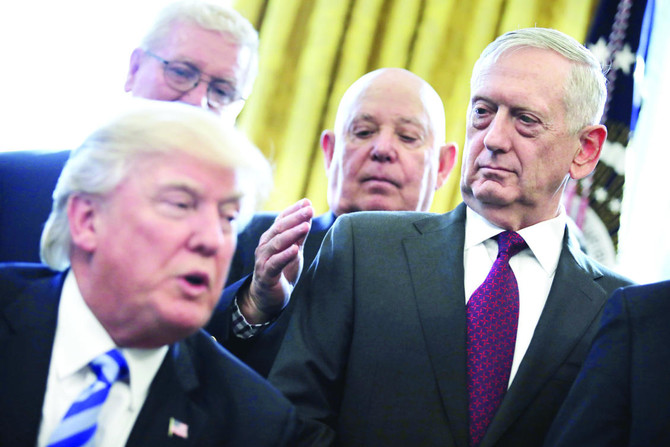
War on Daesh: Pentagon enjoying greater freedom under Trump
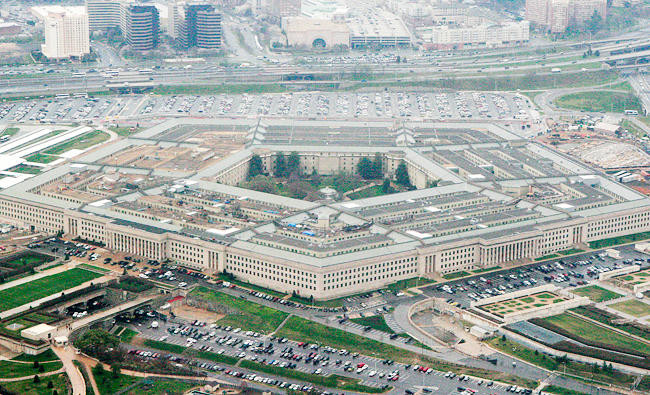
War on Daesh: Pentagon enjoying greater freedom under Trump


Latest updates




© 2026 SAUDI RESEARCH & PUBLISHING COMPANY, All Rights Reserved And subject to Terms of Use Agreement.