RIYADH: Saudi Arabia may allow foreigners to invest in self-employed professions in return for paying taxes at an estimated annual rate of 20 percent in a bid to curb commercial cover-up, Al-Eqtisadiah daily reported.
Saudi authorities are reportedly studying procedures of imposing taxes of two types. One would be in the form of financial statements provided by a foreigner in terms of revenues, expenses and profits, the daily said. The second form of tax will be imposed on estimated profits for certain professions in which profits cannot be easily verified such as the contracting sector, which will run to 15 percent, while the rate of tax on consulting professions may go to 25 percent, the daily said.
The new procedures will treat foreigners as investors in self-employed professions without the need to have sponsors after having obtained the required licenses in areas such as workshops, groceries and contracting.
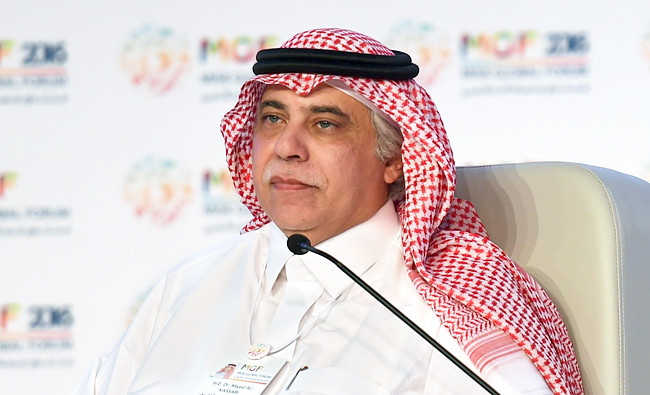
The new drive comes in conformity with statements made by Minister of Commerce Majid Al-Qassabi on the sidelines of the opening of the parallel market (Nomu) last month where he said commercial cover-up is an unhealthy phenomenon and harmful to the nation’s economy.
He said his ministry has developed a study on the causes and solutions for commercial cover-up, including allowing foreigners to invest within certain regulations, and payment of tax without need to conceal their activities.
Last month, the commerce minister called for the elimination of commercial cover-up to improve the national economy and create new jobs for Saudis.
Addressing a workshop, the minister emphasized that anti-commercial concealment is an important and vital issue to improve the economy and to create new jobs. Consequently, he said, it was one of the most important initiatives of the ministry in the National Transformation Program (NTP) 2020.


![]()
Foreigners may be allowed to invest in taxed jobs
Foreigners may be allowed to invest in taxed jobs



Latest updates




© 2026 SAUDI RESEARCH & PUBLISHING COMPANY, All Rights Reserved And subject to Terms of Use Agreement.