- Assessment programs for out-of-school children will evaluate educational levels and learning needs
DAMASCUS: Syria is stepping up efforts to reintegrate an estimated 2 million children into the education system through assessment programs, measures to address learning loss, and plans to expand access to education.
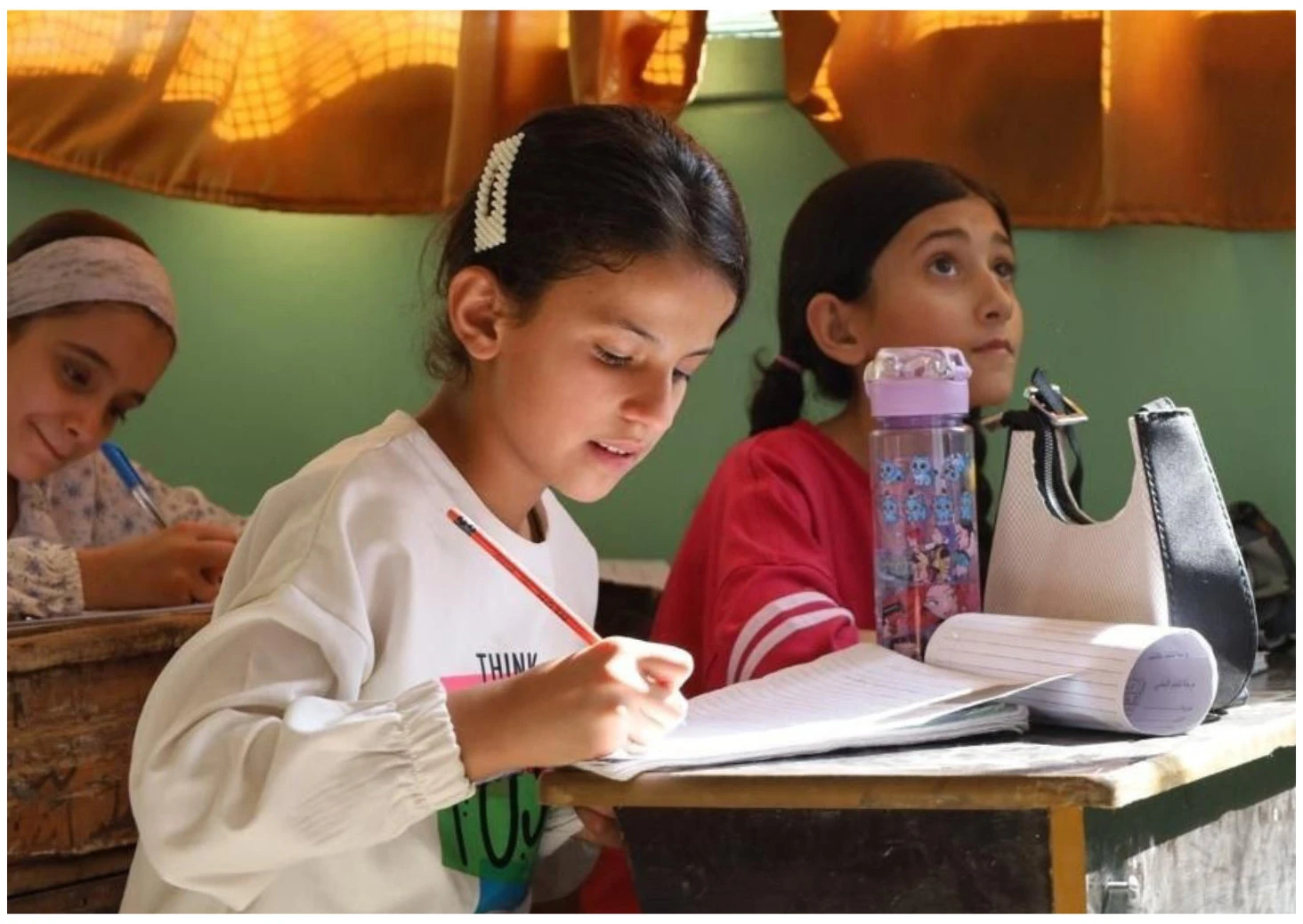
As part of these efforts, the Education Ministry said on Sunday that it conducted knowledge assessments for out-of-school children in Hasakah province to evaluate their educational levels and identify their learning needs.
The assessments aim to determine learning loss and place children in grades and educational levels appropriate to their actual abilities, paving the way for their return to school and helping them make up for missed learning.
Education minister Mohammed Abdul Rahman Turko told a People's Assembly hearing on Sept. 14 that about 2 million students were estimated to have left education, citing economic and social factors as well as the absence of schools in some areas.
Turko said the number of students is expected to reach 6 million during the current academic year, posing challenges for the ministry as it accommodates growing enrollment.
Students returning from abroad also face difficulties, including missing documents, language barriers, and differences between the curricula they previously studied and the Syrian curriculum, he said.
Turko said the ministry is implementing emergency and strategic plans to secure the right to education and develop the education system, aiming to shift from addressing existing gaps to building a stronger, more equitable system.
Efforts in Hasakah began earlier this year with measures to give students whose education had been interrupted an opportunity to resume their studies.
On April 2, the Hasakah Directorate of Education conducted assessment tests for eighth- and 11th-grade students in Hasakah and Qamishli cities and several educational complexes in the countryside.
Hasakah Education Director Adnan Al-Bari said the tests were intended to enable students who had stopped studying because of circumstances in the province to sit basic education and general secondary certificate examinations and continue their education.
The ministry has also stressed that addressing school dropout requires coordinated efforts beyond the education sector.
In a May 31 interview with Syria’s Alikhbariah TV, Turko said the issue was linked to social and economic factors and could not be addressed by the Education Ministry alone, noting that it required cooperation among several ministries.
He said the ministry’s role was to provide an appropriate educational environment and ensure access to education, adding that a number of decisions and facilitation measures had been introduced to support students, particularly in Syria’s eastern region.
The measures implemented this year provide different pathways back into education for students whose schooling has been interrupted, from enabling older students to qualify for certificate examinations to assessing learning loss and determining the appropriate level for younger students to resume their education.