CAIRO: An Egyptian archaeological mission working at Tell Elabaqin in the Beheira Governorate has uncovered a collection of artifacts and a mudbrick residential complex dating to the New Kingdom, offering fresh insight into life at a military fortress built to protect Egypt’s western frontier.
Egypt’s Ministry of Tourism and Antiquities announced on Wednesday that excavations had revealed a large residential complex and a network of streets indicating a carefully planned settlement.
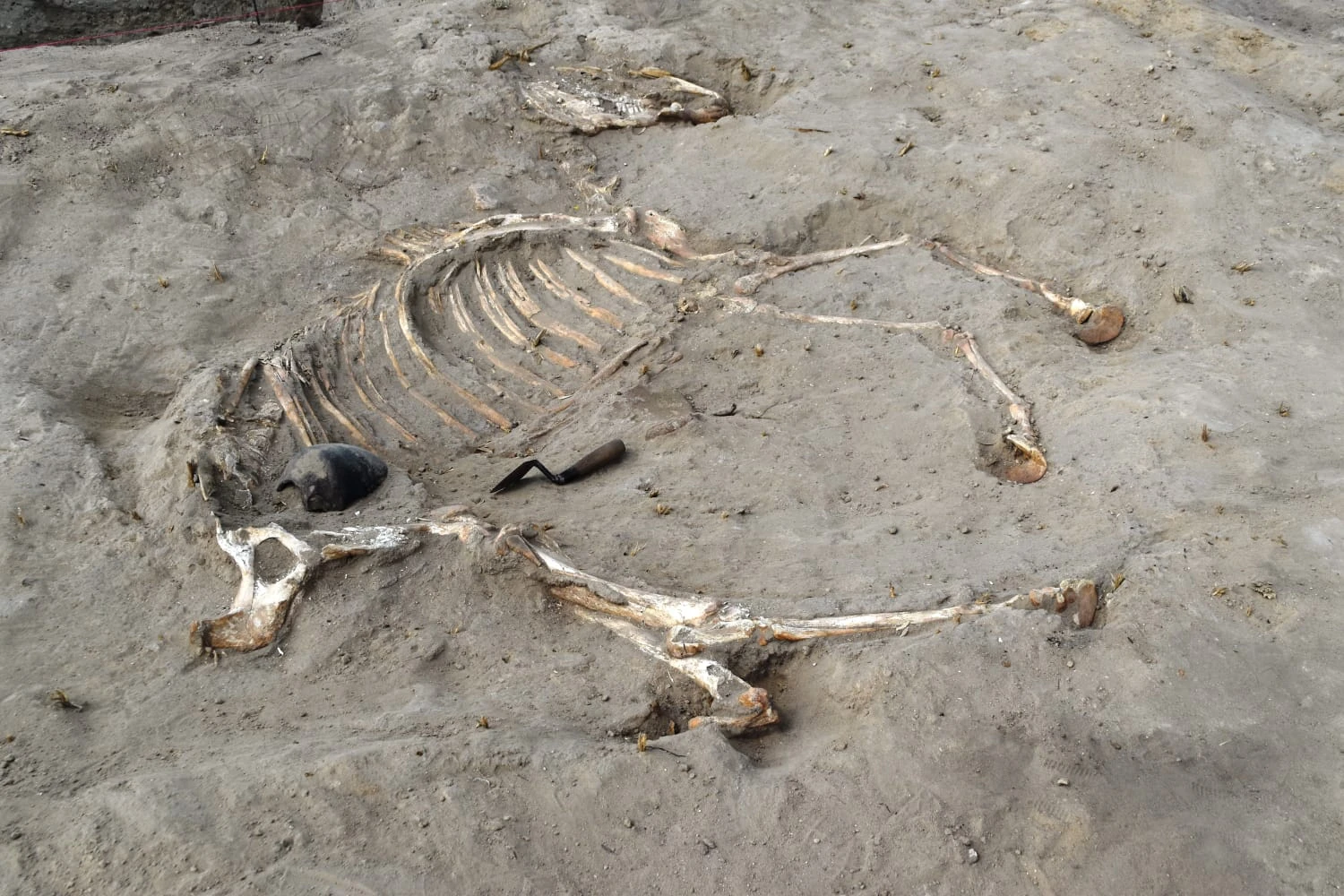
The discoveries include grain silos, storage areas and ovens used for food preparation, as well as the complete burial of a young horse believed to have been associated with military activity or war chariots.
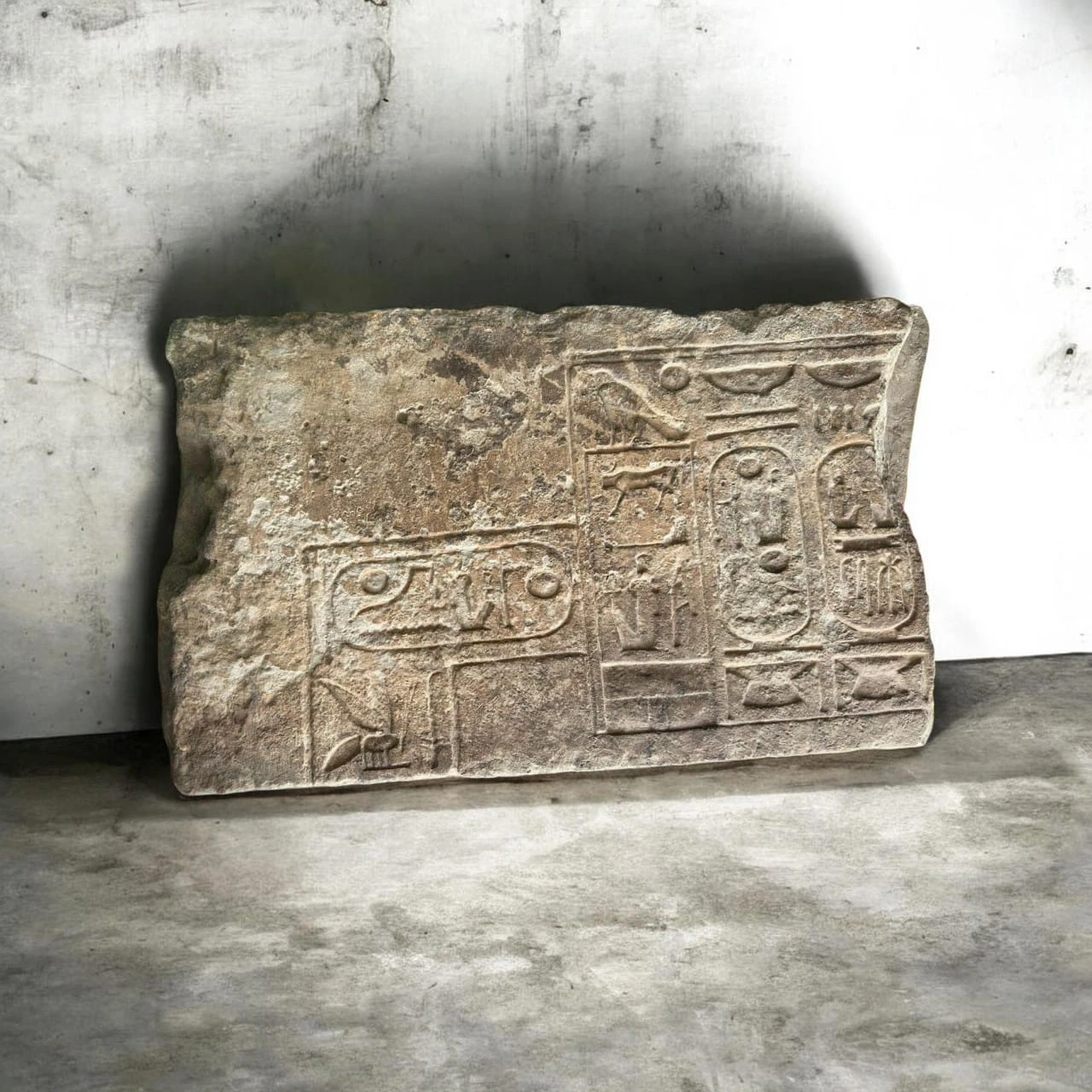
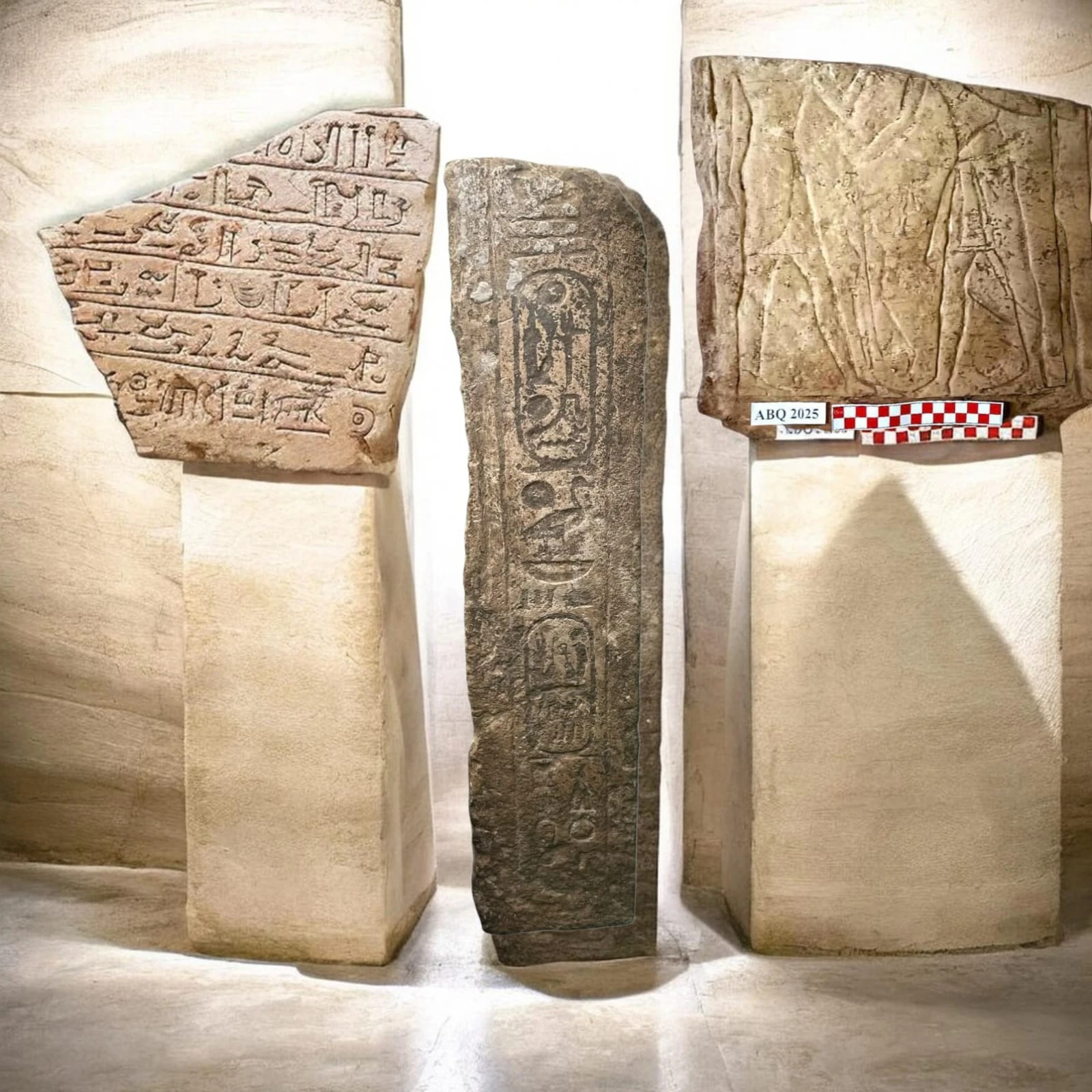
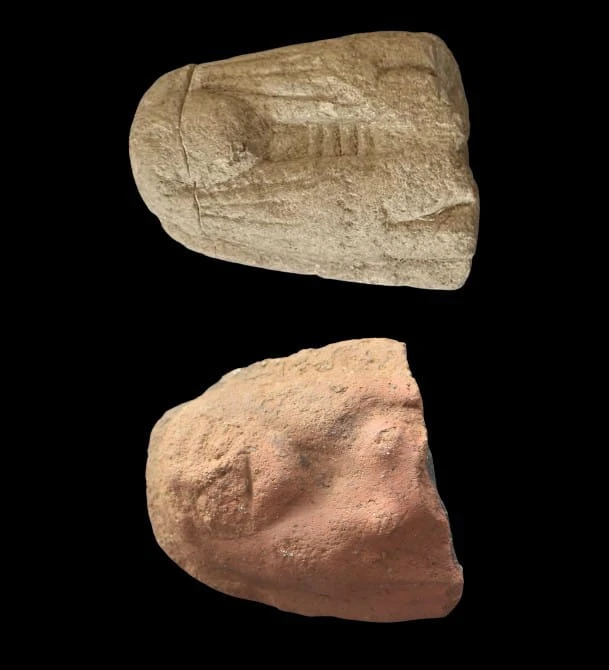
The mission also uncovered a stela bearing the name of King Ramesses II, dating to the 19th Dynasty, with a scene depicting a bound Libyan prisoner from the Meshwesh tribes.
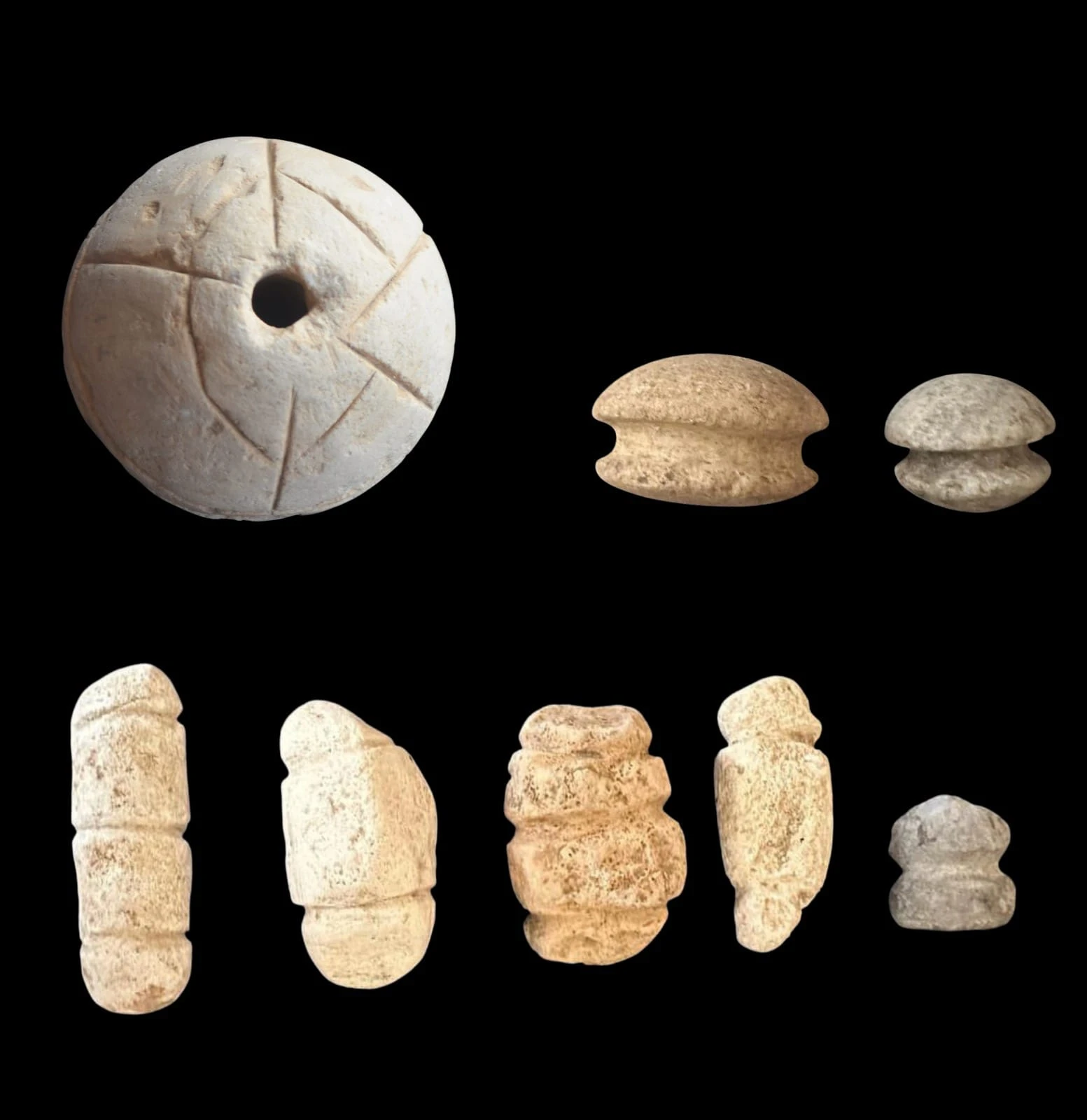
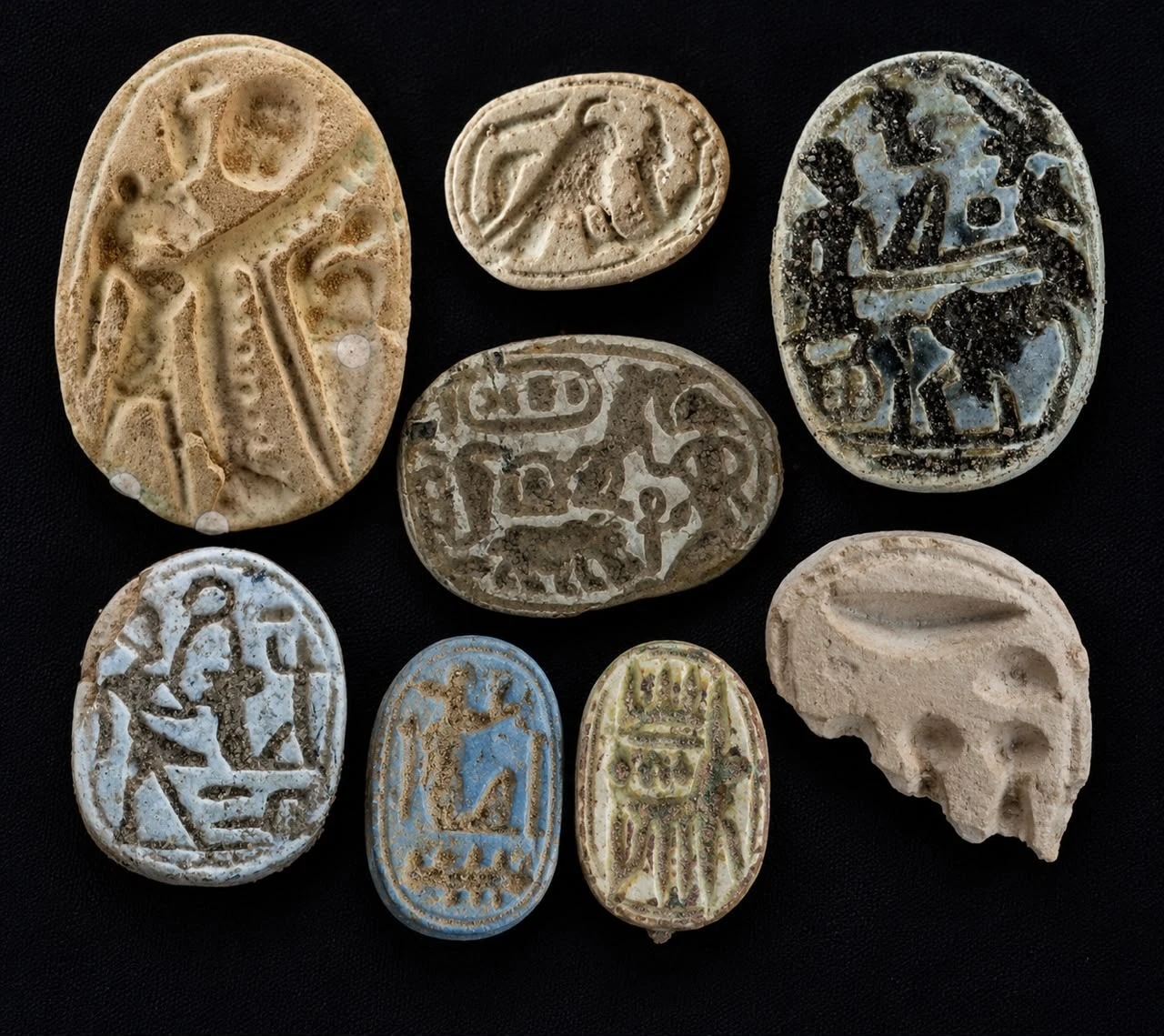
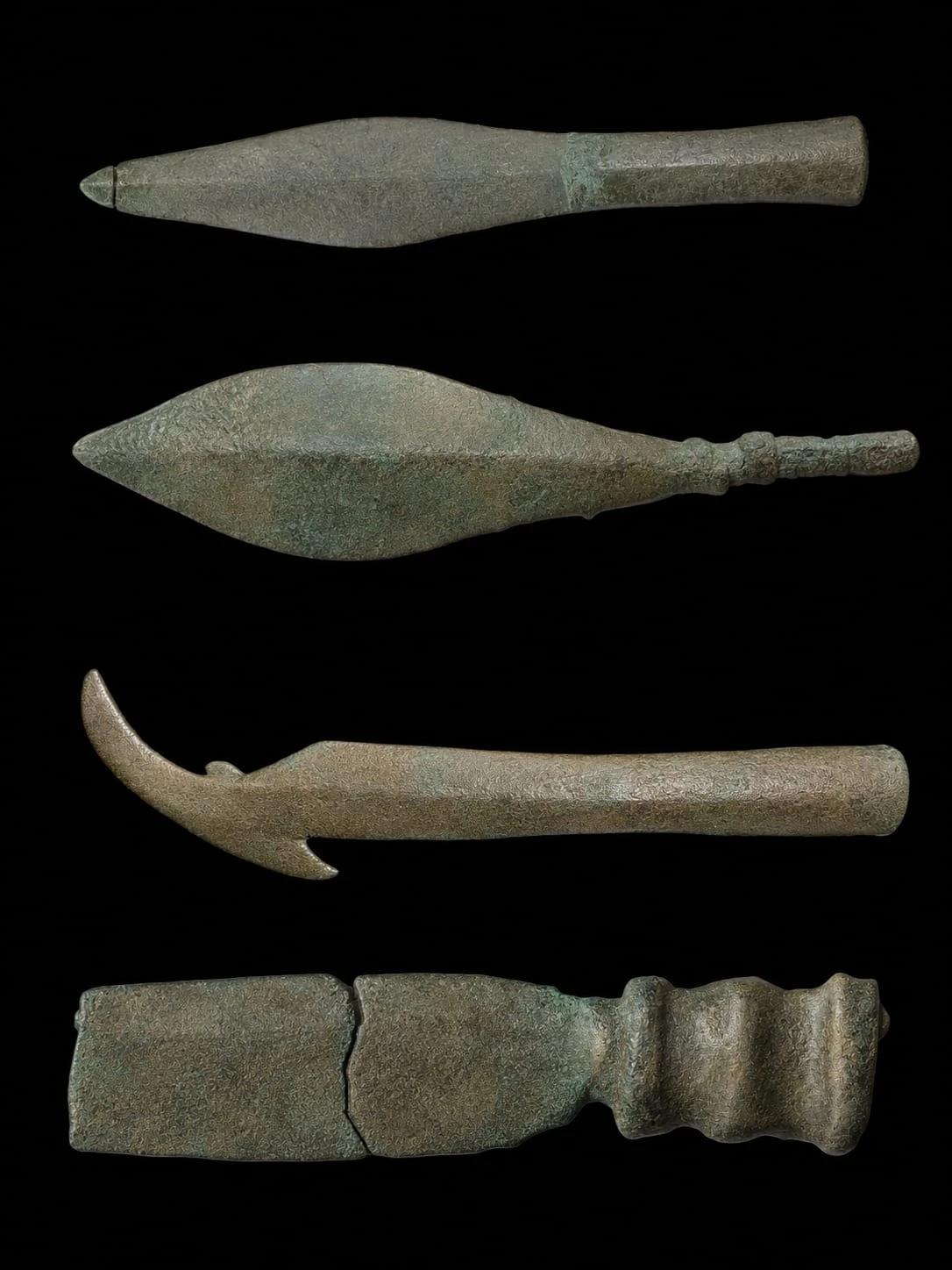
A collection of scarabs, amulets, pottery, tools and jewelry was also found, shedding further light on the religious, economic and everyday lives of the fortress’ inhabitants.
Dr. Khaled Farhat, director-general of antiquities in Beheira, told Arab News that the latest finds were made during the current excavation season.
He said the Egyptian archaeological mission began work at the site in 2015 and has since been able to determine the dimensions of both the military fortress and the surrounding mound.
The fortress covers about 9 feddans, while the mound extends over approximately 35 feddans.
Farhat said archaeologists had also discovered, for the first time during excavations in Beheira, part of a limestone stela bearing a Hieratic inscription associated with King Merneptah.
He said the inscription was significant for understanding the development of the ancient Egyptian language and could provide new information about the king’s reign.
The scarabs discovered at the site also offer clues about the religious identity of the fortress’ inhabitants. Some bear the names of Kings Ramesses II and Seti I, while others carry the names and titles of deities including Amun, Sekhmet, Ptah and Seth.
Farhat said the finds indicated that the worship of these deities formed part of the religious practices of those who lived at the fortress.
He described the site as one of the most significant military fortresses on the western edge of the Nile Delta, alongside Zawyet Umm El-Rakham and the fortress of Alamein, which were established to defend Egypt’s western frontier.
Egyptologist Dr. Hussein Abdelbassir told Arab News that the discovery provided valuable new insight into everyday life during the New Kingdom and into the communities that inhabited Egypt’s western frontier fortresses.
“The value of this discovery lies in how it transforms the fortress into a vibrant, living place,” he said.
“Through its remains, we can see the soldier, the cook, the farmer, the artisan, the worshiper and the animals used in military operations, helping us understand daily life in ancient Egypt.”
The discovery follows excavations announced in August at Tell Abu Seifi in Qantara East, Ismailia Governorate, where an Egyptian archaeological mission uncovered new evidence relating to the ancient Horus Military Road and the city of Mesen.
Those discoveries included a limestone lintel and other remains offering further evidence of Egypt’s historic military infrastructure.
New archaeological discovery in Beheira sheds light on daily life at ancient Egyptian fortress