DUBAI: Bahrain said on Saturday that it would not take part in a proposed meeting between Gulf states and Iran in Oman to discuss the Strait of Hormuz until diplomatic relations between Manama and Tehran had been restored.
Citing Iranian attacks on infrastructure across the Gulf, the Bahraini foreign ministry said that regional security and stability “cannot be built by overlooking attacks, nor secured by remaining silent about their consequences or through a policy of appeasement.”
It pointed to this week’s attack on the East-West pipeline in Saudi Arabia and the targeting of an ammonia tank in Bahrain, which it said, “nearly resulted in a widespread catastrophe.”
The incidents, the ministry said, “demonstrate that attacks on civilian and economic facilities remain a present threat, rather than one that has passed.”
“Dialogue cannot be based on disregarding facts.”
Bahrain’s position had been communicated to Oman through official channels, the ministry said, while stressing that the kingdom remained committed to dialogue and appreciated Oman’s diplomatic efforts.
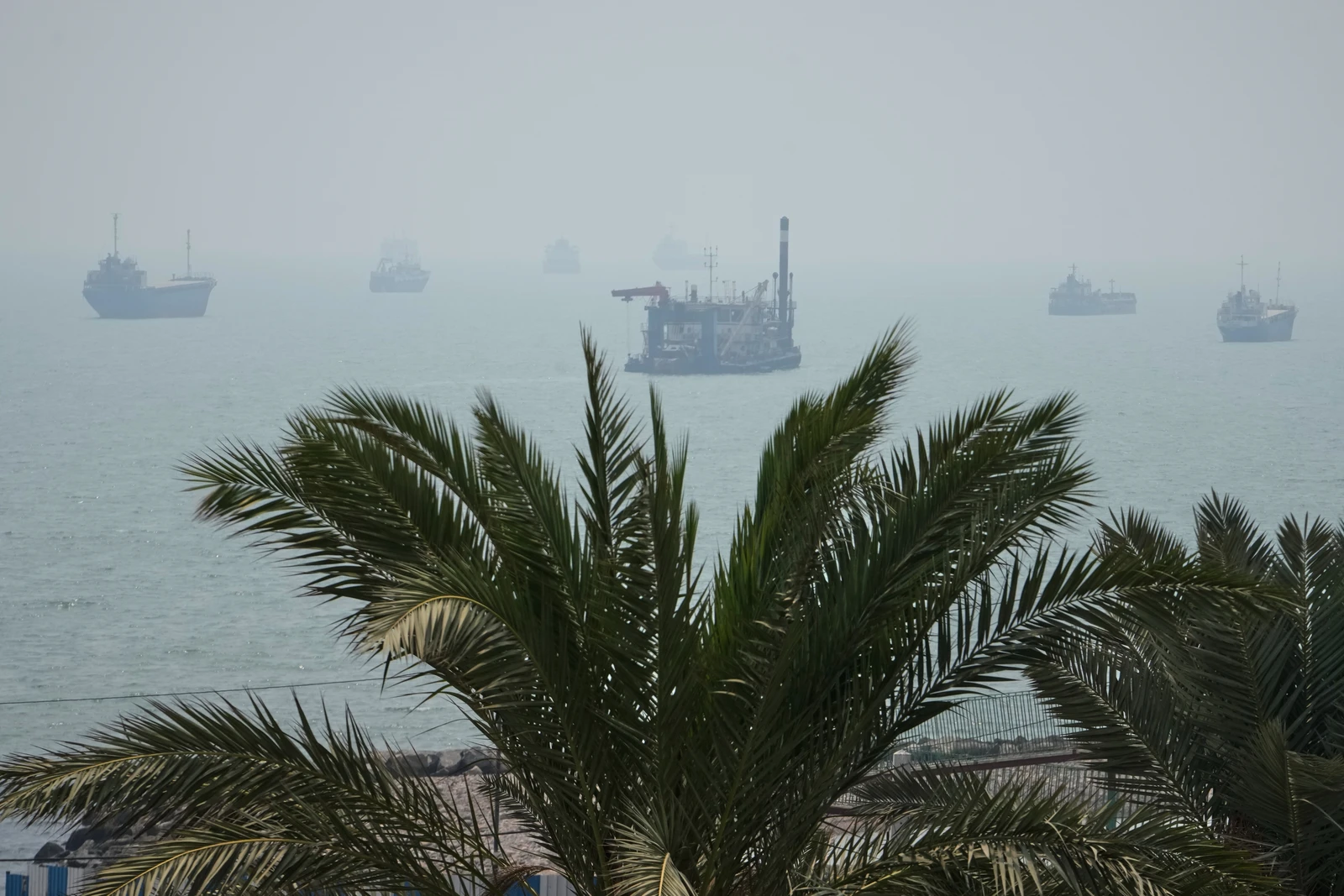
Oman is expected to host a meeting on Monday, bringing together Gulf foreign ministers with Iran and Iraq to discuss maritime traffic and security in the Strait of Hormuz.
Bahrain, which cut diplomatic ties with Iran in 2016 during an earlier crisis, called for Hormuz to be open without “discrimination, fees or permits” and said that it should involve all six Gulf Cooperation Council states.
It set out four conditions that it considered necessary for lasting peace: an end to attacks, international accountability and compensation for damages, respect for state sovereignty and a prohibition on using one country’s territory as a launchpad to attack another and the settlement of outstanding disputes through legal means.
The meeting comes after Saudi Arabia reported drone attacks from Iraq on Friday that targeted its East-West pipeline in the Riyadh and Madinah regions.
The Kingdom temporarily shut the pipeline as a precaution and said that it had chosen not to retaliate to give Baghdad, which ordered an urgent investigation, an opportunity to prevent further attacks originating from Iraqi territory.
Bahrain, which currently holds a seat on the UN Security Council, said it would continue working through diplomatic and legal channels to safeguard freedom of navigation and regional security and remained prepared to support a consensus-based arrangement grounded in international law.
Any future arrangement governing navigation through the Strait of Hormuz should be based on the 1982 UN Convention on the Law of the Sea and endorsed by the International Maritime Organization, it said.
“The Kingdom does not close the door to peace but neither will it open it at the expense of justice. Peace that is not founded on justice is merely a truce awaiting its end.”
Bahrain will not attend Gulf meeting with Iran on Strait of Hormuz