- Kashmiris fears demographic change following the revocation of Article 370
- "Kashmir is a Muslim majority state, which should be maintained by Delhi"
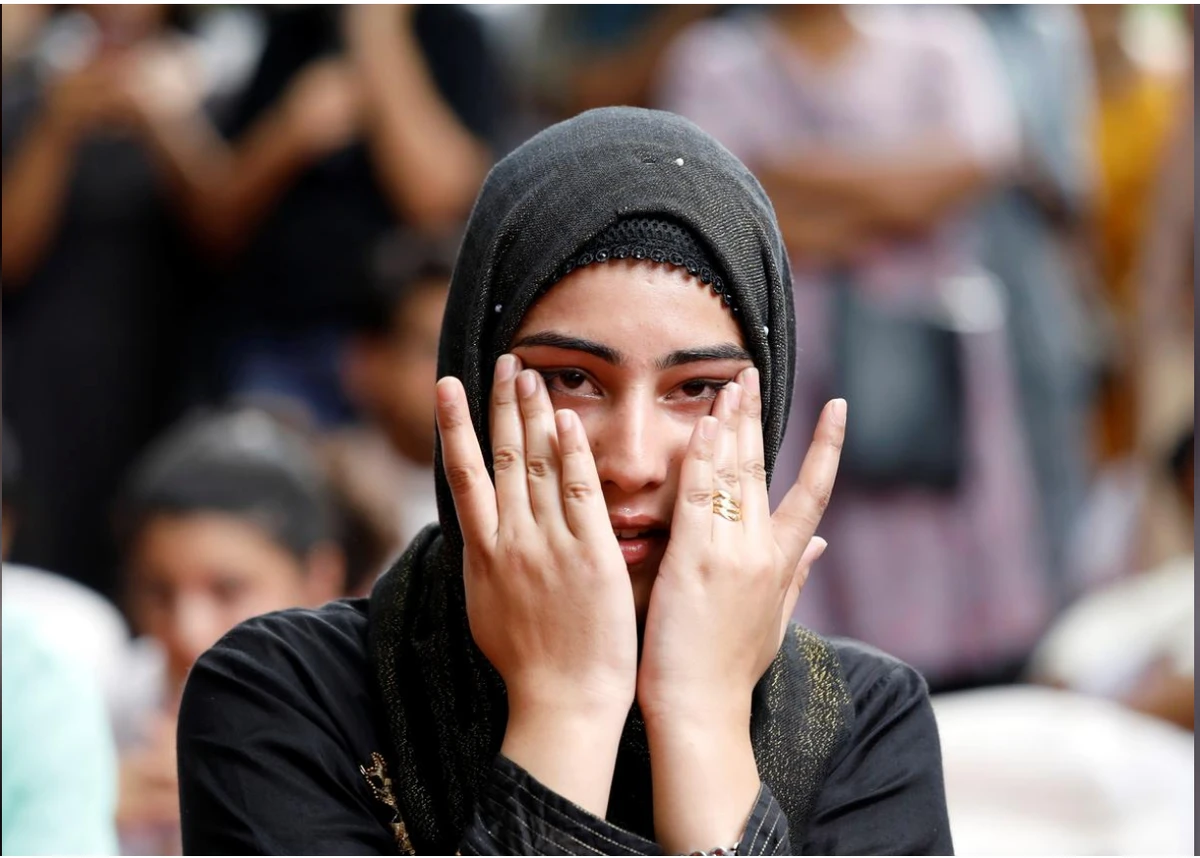
SRINAGAR: Kashmiris are fearing demographic change following the revocation of Article 370 of the constitution.
Article 370 gave exclusive land rights to the people of Kashmir and blocked outsiders from seeking jobs and settlement in the state.
However, people in the valley are apprehensive about the intent of New Delhi after the government removed the special status on Aug. 5.
“There can be no doubt that the Indian government is planning demographic change in the valley,” said Altaf Hussain, a Srinagar-based political analyst and journalist.
“Immediately after the removal of the article, thousands of Hindus — who migrated from Pakistan and have been living without voting rights in the Jammu region — were entitled to exercise their franchise.
“Kashmir is a Muslim majority state, which should be maintained by the Indian union. But the ruling Bhartiya Janata Party (BJP), along with its patron Rashtriya Swayamsevak Sangh (RSS), wants to create a Hindu nation. It intends to change the demography of the state through the legislative change,” added Hussain.
He told Arab News that “the BJP has been talking about a Hindu chief minister for the state. I’m sure sooner or later the ruling party will initiate the project of turning Jammu and Kashmir into a Muslim minority state. India has gone back on its promise of giving the people a special status. There must be a larger agenda to this turnaround.”
Professor Sheikh Showkat from the Central University of Kashmir said: “The demography of the state has been changing since 1947. In Jammu City, the Muslim population was 37 percent, now it is 7 percent.”
“Hindu radical groups like the RSS want the same changes. Its chief Mohan Bhagwat has been saying that the only solution to the Kashmir problem is the change in the demography of the state,” Showkat said.
He added that “a few weeks ago, the governor of the state said that Kashmir is an integral part of India and whoever is happy with that can remain there and whoever has problem can migrate. My fear is that there is a larger design of ethnic cleansing in the valley.
“It seems that this government has created an iron curtain around Kashmir. With the restrictions in place, we don’t know what is happening in other parts of the valley.”
HIGHLIGHTS
• People in the valley are worried about the intent of New Delhi after the government removed the special status on Aug. 5.
• A group of civil society activists from Delhi condemned ‘the decision of the government to abrogate Article 370 and put the entire state under deep pain.’
Showkat said the “language used in the Parliament by Home Minister Amit Shah and his colleagues was not appropriate for a statesman. We fear this kind of abrasive behavior.”
Tabrez Alam, a Srinagar-based trader, said: “This government has pursued Muslims since 2014. Look at how the minority community is being harassed in different parts of the country. Lynching has become regular news.
“Muslim majority Jammu and Kashmir is an eyesore to the BJP regime. They want to bring in outsiders to this state and make us a minority in our land. We have to be really alert on this.”
On Tuesday, a group of civil society activists from Delhi visited Srinagar and “condemned the decision of the government to abrogate Article 370 and put the entire state under deep pain.”
The activists — Jean Drèze, a famous Indian economist; Kavita Krishnan of the All India Progressive Women’s Association; Maimoona Mollah, vice president of the All India Democratic Women’s Association; Vimal Bhai of the National Alliance of People’s Movement — said in a statement: “The people of Jammu and Kashmir must be allowed to express their protest and gags on them must be lifted.”
They said: “What we call the Indian government is a BJP government, and this Hindu organization is implementing its agenda in the valley.
Vimal added: “The whole state is a prison under military control. As an Indian citizen I reject the Indian government’s treatment of the people of the valley.”
He told the press that the BJP wants to undermine the Muslim majority state and change its character.
“This has been an old policy of the RSS and we should resist any attempt to alter the character and demography of the state.”
Krishnan said: “It pains us to see the restrictions and blanket ban on the democratic rights of the Kashmiri people.
“The government and its embedded media are spreading false propaganda of normalcy in the state. The truth is completely opposite. Right-thinking Indians should save Kashmir from the majoritarian design of the Narendra Modi regime. We should not allow a new Palestine to come up in South Asia.”
Kashmir-based leader Atlaf Thakur said that “fear-mongering should not be allowed to spread.”
He added that “the only agenda the BJP government is working on is to develop the state economically and promote a new political culture in Jammu and Kashmir.”