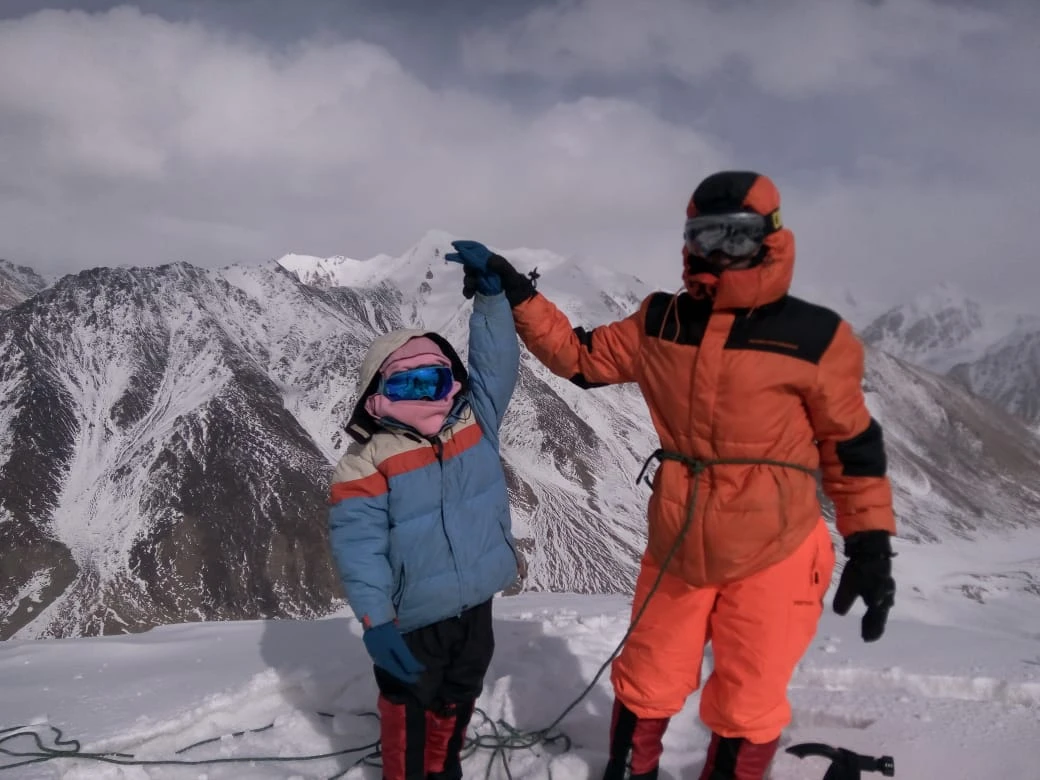
- If she succeeds, Selena will be the youngest person ever to climb the world’s highest peak
- Experts say attempting the record is too risky and dangerous for someone Selena’s age
ABBOTTABAD: When Selena Khawaja closes her eyes to make a wish on her 11th birthday in October this year, everyone gathered around the table will already know what she wishes for.
By March 2020, with four years of experience under her belt, Selena is hoping to achieve the impossible – conquer Mount Everest, Earth’s highest peak, and become the youngest person in the world to have done so.
“I love climbing mountains. I can’t explain the joy I feel when I’m at the top. It’s as if you are ruling the world,” Selena, a six grader and resident of Abbottabad, told Arab News.
For the uninitiated, Mount Everest, which is documented to be 60 million years old, stands at 8,848 meters which is equal to 10.7 Burj Khalifas, the world’s tallest tower, stacked on top of one another.
However, neither her age nor the mountain’s dizzying height seems to act as a deterrent for the little climber who has set her sights on clinching the title – a record currently held by Jordan Romero, a 13-year-old American who summited Everest in 2010.
It’s a feat many would think was unimaginable for a child of 11 — many, except her father Yousaf Khawaja who realized when his daughter was just eight years old that she had a head for heights.
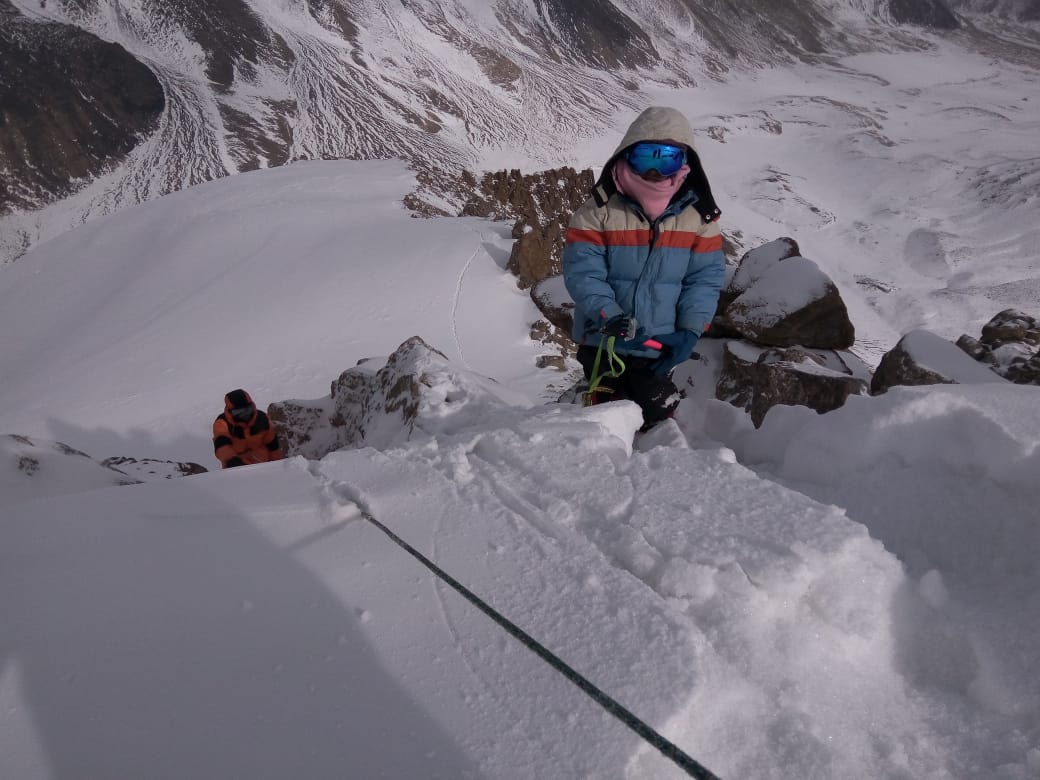
“She was amazing in climbing mountains. By doing a round trip of Miranjani Mountain (around 3,000 meters) in a quick span of time, I realized that she had the potential to become a great asset for the country,” Khawaja, 60, said about his only child.
He would know. As an experienced climber and mountaineering expert himself, Khawaja also doubles as Selena’s trainer and helped her achieve the impossible on February 21 last year when she became the youngest person to scale the 5,765-meter-high Quz Sar Peak in Hunza, Gilgit Baltistan, at the age of nine, according to official records.
Located in the scenic Shimshal Valley in the north of the country, climbing the Quz Sar Peak is no cakewalk. But Selena, with her short hair, tiny frame, and bespectacled, impish face, is no regular 10-year-old.
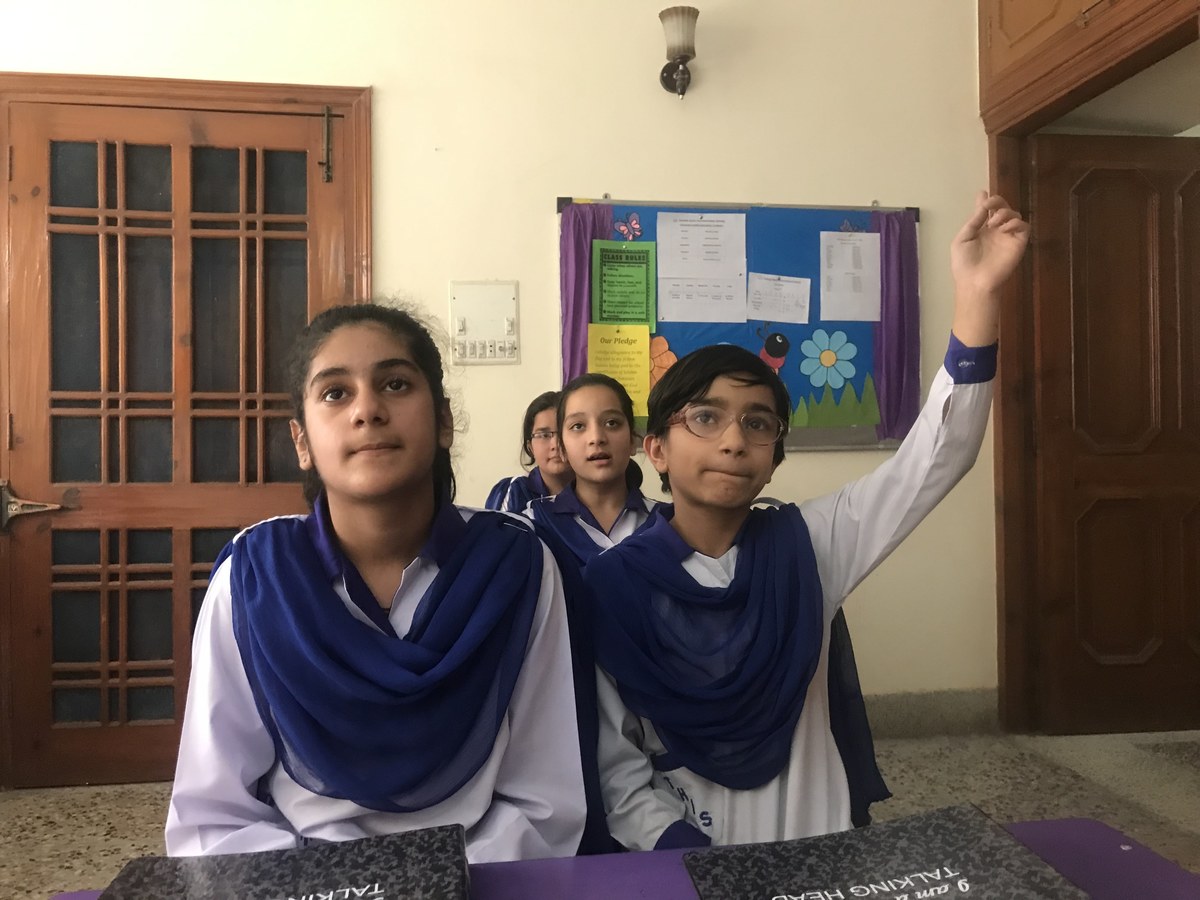
At an age when most children worry about school tests, peer pressure, body image, and how to flaunt the perfect gaming techniques during a PlayStation mission, Selena catches up on NatGeo documentaries to learn from mistakes committed by other mountaineers before her.
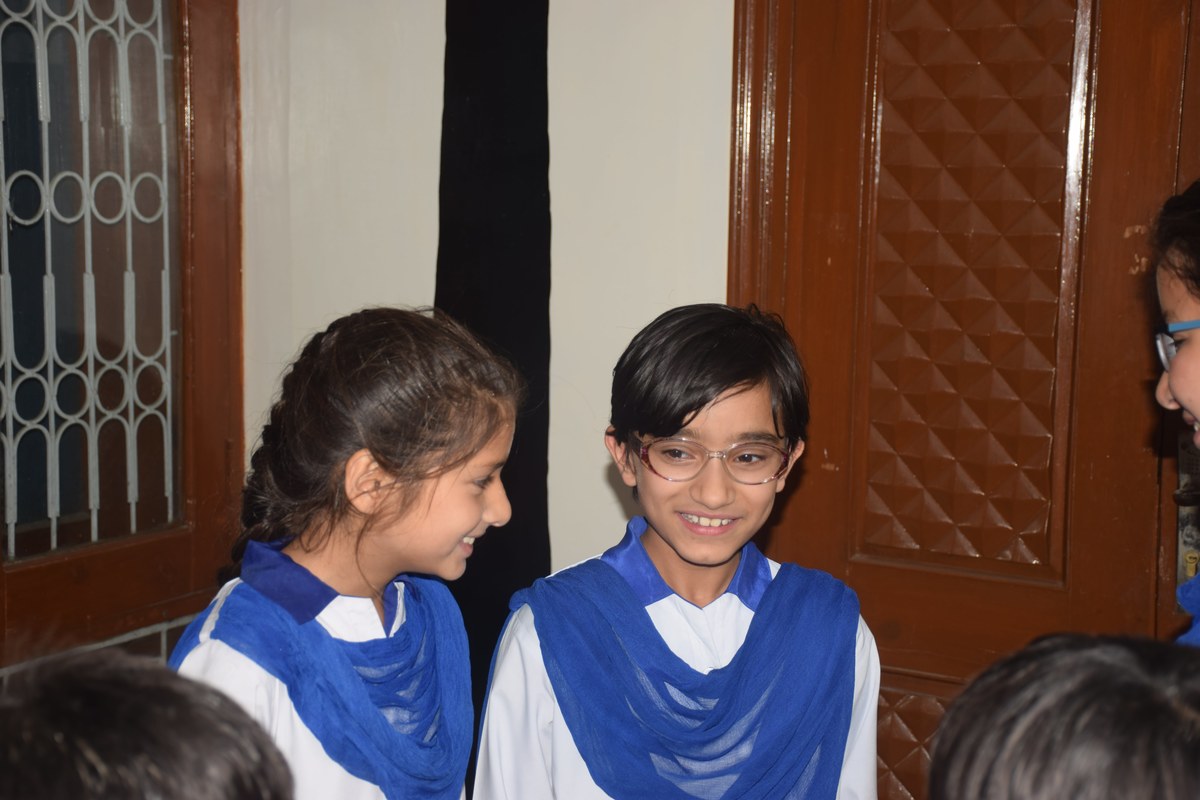
Despite a choc-a-bloc schedule which begins early in the day, Selena still makes time for her favorite TV show, Bulbuly, and for her best friend, Fatima Zehra.
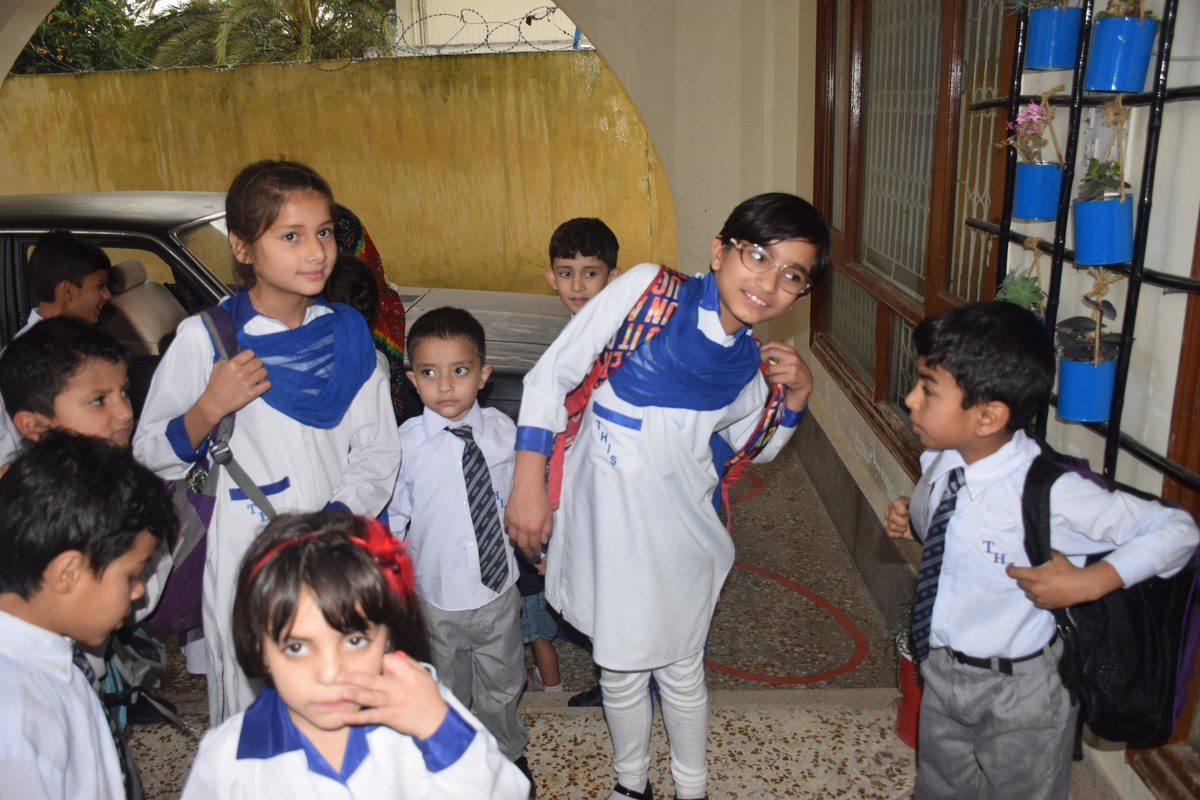
Zehra told Arab News that she was worried for Selena’s safety and well-being even as their teachers at Talking Heads, one of the more popular schools in Abbottabad district, supported their little “champion.”
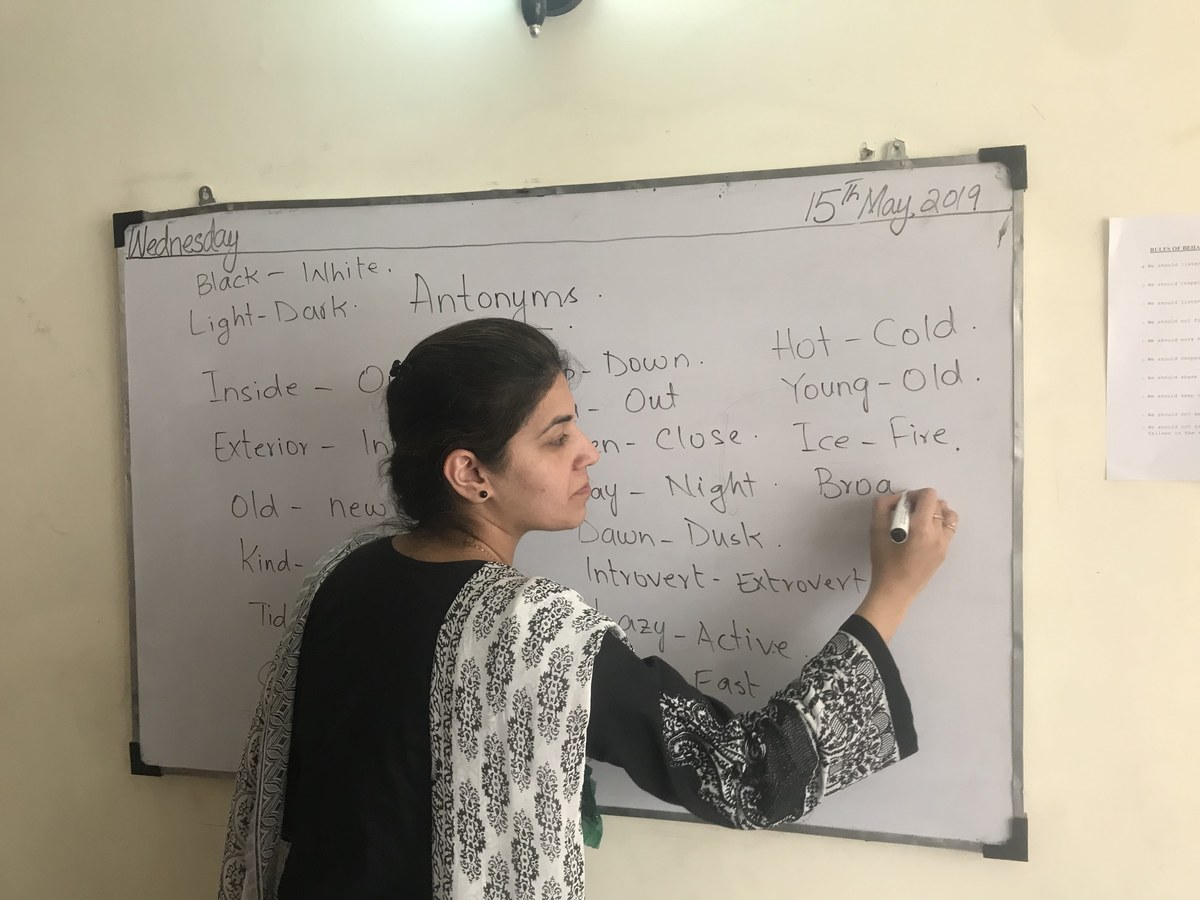
“It’s very difficult to do two things simultaneously — studies and mountaineering, but our wishes and prayers are with Selena. We are proud that she is depicting a positive image of Pakistan,” Ayesha Arshad, Selena’s teacher told Arab News.
It’s a costly exercise, says Khawaja who has spent more than Rs2 million in helping Selena realize her dream. Together, they would need $200,000 to summit Everest. Khawaja is in talks with the Khyber Pakhtunkhwa government and has asked for support.
Selena is aware of what’s at stake and the fitness levels required, especially since expeditions to the mountain can take up to two months from start to finish. She trains with her father at the gym for about an hour after school every day, which stretches to eight hours if she’s scheduled for field training.
By the end of June, she hopes to add Spantik Peak (7,027 meters) to her tally, before heading toward Broad Peak, which at 8,051 meters is the world’s 12th highest mountain.
She doesn’t needs to scale either in order to qualify for the Everest attempt, which requires mountaineers to have an experience of completing a 6,000-meter summit. Selena has already done that — twice.
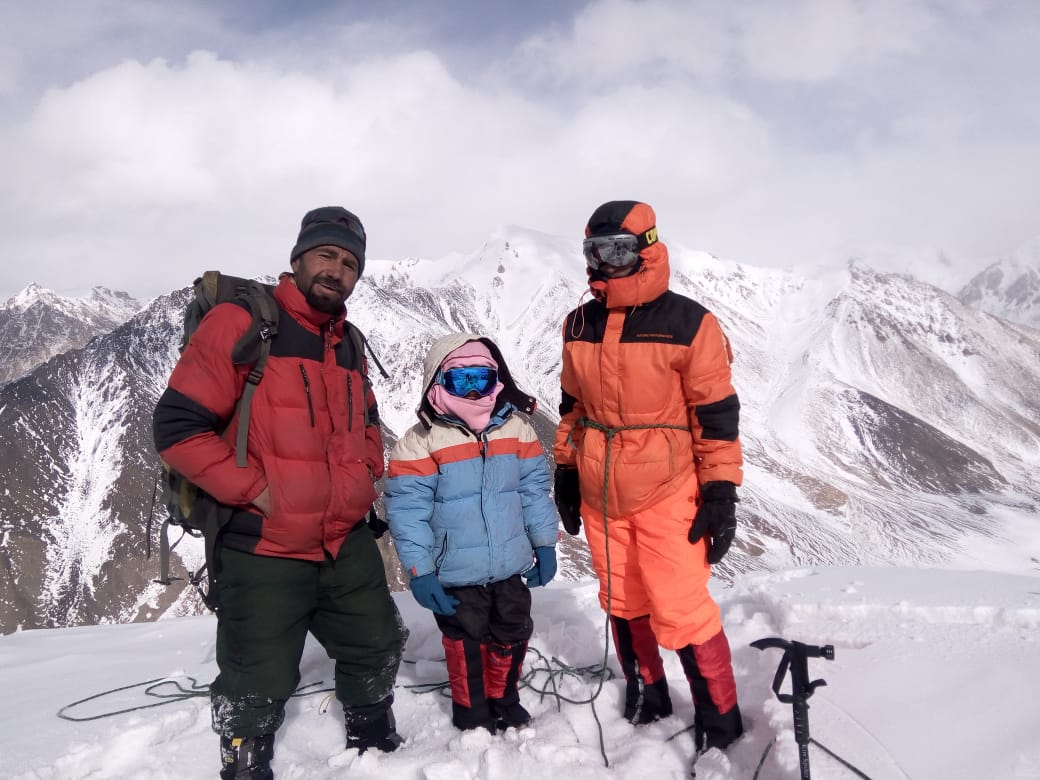
“I’ve already completed the Level-1 mountaineering course. Level-2 is on the cards and after scaling the Spantik Peak by June end, I will be even more prepared,” she said.
While the elementary courses acclimatize climbers to the basics of mountain geology, climbing techniques, mountain rescue, and first aid, there are more pressing concerns at hand.
With temperatures dropping to as low as minus 60C, climbers can suffer acute altitude sickness as well as hypothermia, while several mountaineers have had to amputate their fingers and toes due to frostbite. Other issues include extreme weather patterns, dehydration, and a lack of appetite.
Khawaja says he’s factored in all these conditions. As a physical fitness instructor and nutritionist, he is aware of the dangers involved, especially at the highest points where mountaineers are breathing in a third of the amount of oxygen due to the atmospheric pressure and require bottled oxygen from 7,925 meters and above.
“It’s dangerous, there is no doubt about it. It requires absolutely no chance of a single mistake, but we are taking extra precautionary measures,” Khawaja said, adding that it would be a “fascinating experience for a father and daughter to scale Everest together.”
“By doing so, we will be bringing another record home, with Selena as the youngest individual and I, as the oldest Pakistani father, to scale Everest,” he said.
Lt Col (retired) Dr. Abdul Jabbar Bhatti, who summitted Everest at the age of 60, showed his support.
“With training and a good lifestyle, Selena can become better at mountaineering. It is a dangerous sport even for a seasoned/experienced climber and for a child the dangers increase many times. But with extraordinary preparation, knowledge, training, and practice, Selena can acquire a very good balance on mountains,” he said.
Medical and mountaineering experts, however, aren’t too convinced.
“She is too young for it. A person should be at least 12 and above to attempt the climb. Also, her body isn’t equipped to scale mountains that are 7,000 meters and above,” Karim Hayat, a 46-year-old mountain guide and explorer who works as a climbing instructor at the Hunza Mountaineering Foundation, told Arab News.
Doctor Amir Zeb, director of rehabilitation at the Paraplegic Center in Peshawar, concurred.
“I don’t support the idea of her climbing Everest at the age of 11. She may have scaled 5,000 or 6,000 meters, but Everest is terrible. Apart from muscular fitness, her heartbeat may not support the endeavor either,” he said.
Col. Bhatti disagreed.
“It’s not age that determines someone’s qualification in mountaineering. It involves physical and mental fitness… Selena is more than fit, both physically and mentally, to take on high mountains in the world,” he said.
Selena, on her part, said she is more than ready to push the envelope.
“My efforts to achieve my goal will continue uninterrupted,” she said. “I want to conquer Everest and hoist Pakistan’s flag there.”