


MUZAFFARABAD: The fear is palpable. Thousands of people living in Azad Kashmir, along the Line of Control (LoC), said they were worried about their safety.
It follows an attack on Thursday in the Pulwama district of the Indian-administered Kashmir, which killed at least 44 Central Reserve Police Force troops (CRPF) when a suicide bomber rammed his explosives-laden vehicle into the van carrying the paramilitary soldiers.
In the aftermath of the incident, Indian Prime Minister Narendra Modi said that it’s the army's call to decide the time and place for a befitting response. Therefore, the possibility of a potential military strike against Pakistan has cast a dark cloud, especially after the Indian Air Force carried out a mega exercise close to the border recently.
Approximately 550,000 people live along the disputed 720 kilometers LoC. They bear the brunt when tension escalates between the two nuclear powers. “We couldn’t sleep the whole night amid fears of a potential Indian strike or shelling,” Zulfiqar Ahmed, a resident of the Abbaspur town which divides the Pakistan-administered-Kashmir from the India-administered-Kashmir, said.
They are also worried about their homes, cattle, and other valuable items. “Children will be disturbed once again. It’s winter and difficult to move swiftly in this freezing weather,” Ahmed told Arab News, adding that such attacks are always problematic for them.
“We are living under constant panic. Everybody is terrified here,” Ruqaya Begum, 60, who lives in Athmuqam — the capital of Neelum district -- said. At least nine people were killed by Indian forces in the same area after they attacked a passenger bus in 2016. She told Arab News that they were witness to this game of war and peace along the LoC for several years and had mixed reviews about the future.
"It’s become a normal situation for us as we are observing it for the last two decades now. We are afraid about children’s school, businesses and livestock,” she said before adding a dash of optimism to her statement. “We would come again after the situation normalizes.”
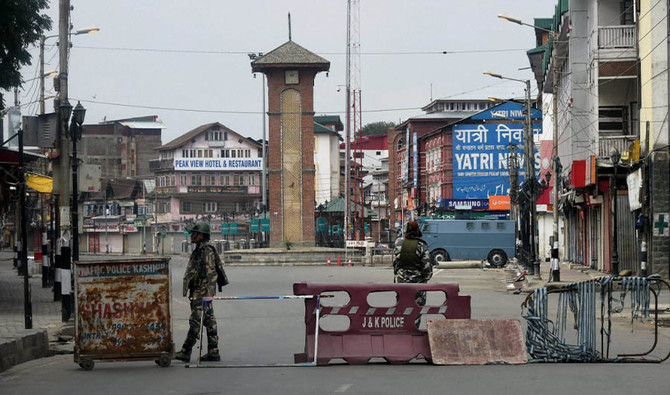
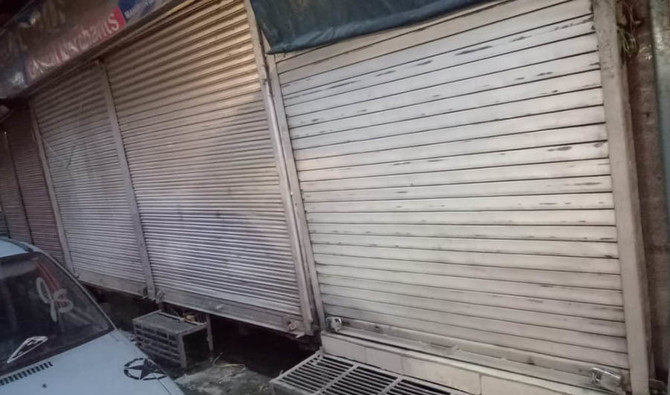
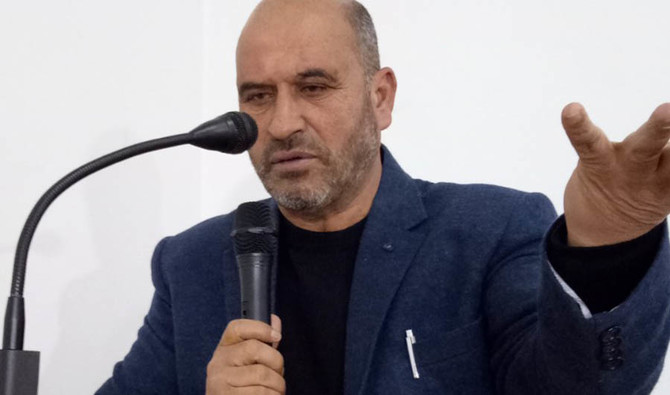
Authorities in Jammu city imposed a curfew after an angry mob damaged properties belonging to Muslims; while media reports suggest that Kashmiris have been harassed in all major cities of India in the wake of the Pulwama attack. Hundreds of people staged a protest in Srinagar's Lal Chowk on Saturday afternoon demanding the safety of Muslims in and outside of the area. Muhammad Ahsan Untoo, the Chairman of the International Forum for Justice and Human Rights in Jammu and Kashmir said: “It’s [for] the Indian to think as to why a Kashmiri guy in his early 20s has carried out suicide bombing?” He added that brutalities carried out by India, including the rape of Kashmiri women, was fueling hatred in the youth to go to ‘every extent’.
"The massive reaction is against their own deeds in the Valley," he said. India is blaming Pakistan for the attack as Jaish-e-Mohammad is a Pakistani-based organization but Pakistan, which has denied all the allegations, is seeking evidence. Untoo differs with the Indian stance of blaming Islamabad and says there is a dire need to resolve the Kashmir issue. “Indians are furious because they have seen collective funerals for the first time, whereas, our people are being killed every day." There is fear, he said, and panic across the Valley as "the gangsters will now make the lives of innocent people hell in the wake of this incident".
Meanwhile, Sajjad Qayyum, an independent journalist, said that there is no presence of Jaish-e-Muhammad in Muzaffarabad, the capital of Pakistan-administered-Kashmir. He says the recent movement for freedom is indigenous and is being driven by people in their early 20s who were born in an era of bloodshed and violence. “One can carry a gun through the LoC but it is difficult to digest carrying hundreds of kilograms of explosive material [which was used in the attack]. It clearly reflects the indigenous struggle,” he said.
Muzaffarabad is home to around 40,000 Kashmiri refugees who migrated after the insurgency in 1989. These are people who are worried about their families on the other side.
Qayuum said that the new trend of an attack being carried out by a Kashmiri local was "unprecedented and alarming."
"Kashmiri movement [demand for right to self-determination] had been a non-violent struggle for decades and somehow acceptable to the international community, Qayuum said.


