- Information minister says reception for Crown Prince Mohammed bin Salman at Presidential Palace on Feb 16 evening
- Crown Prince and Prime Minister Khan will co-chair meetings of various joint working groups on Feb 17
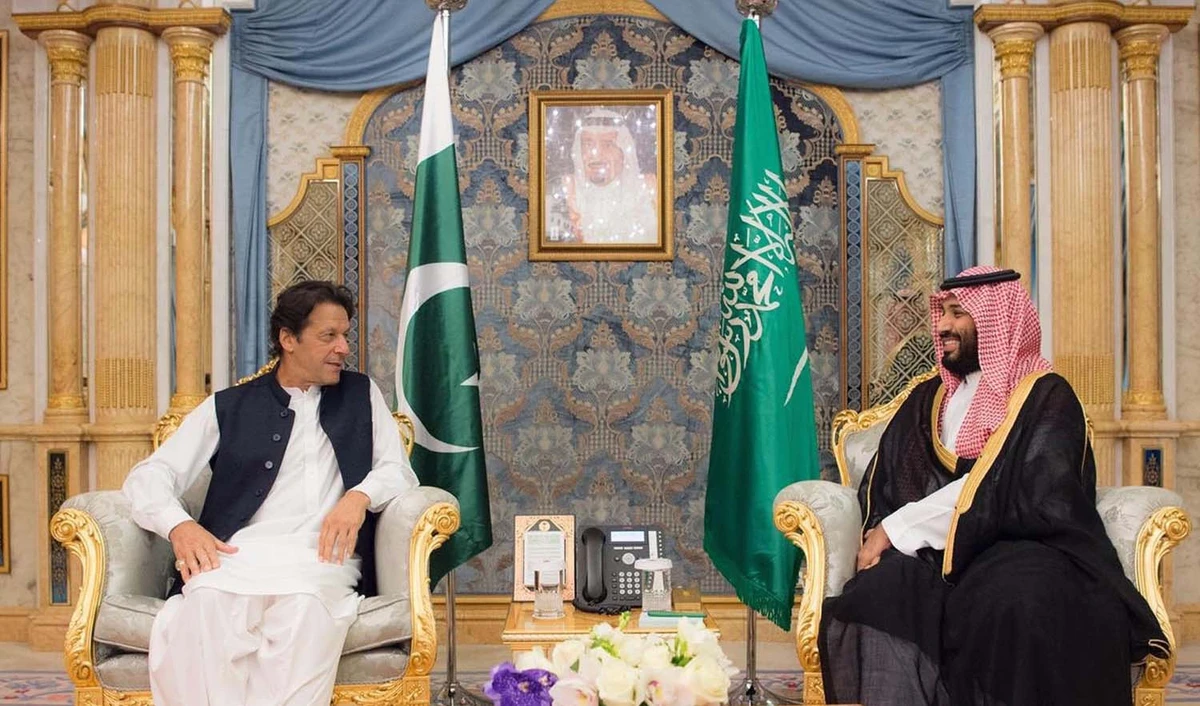
ISLAMABAD: Saudi Arabia’s Crown Prince Mohammed bin Salman will be the first state guest to stay at the official residence of the prime minister of Pakistan, information minister Fawad Chaudhry said on Tuesday.
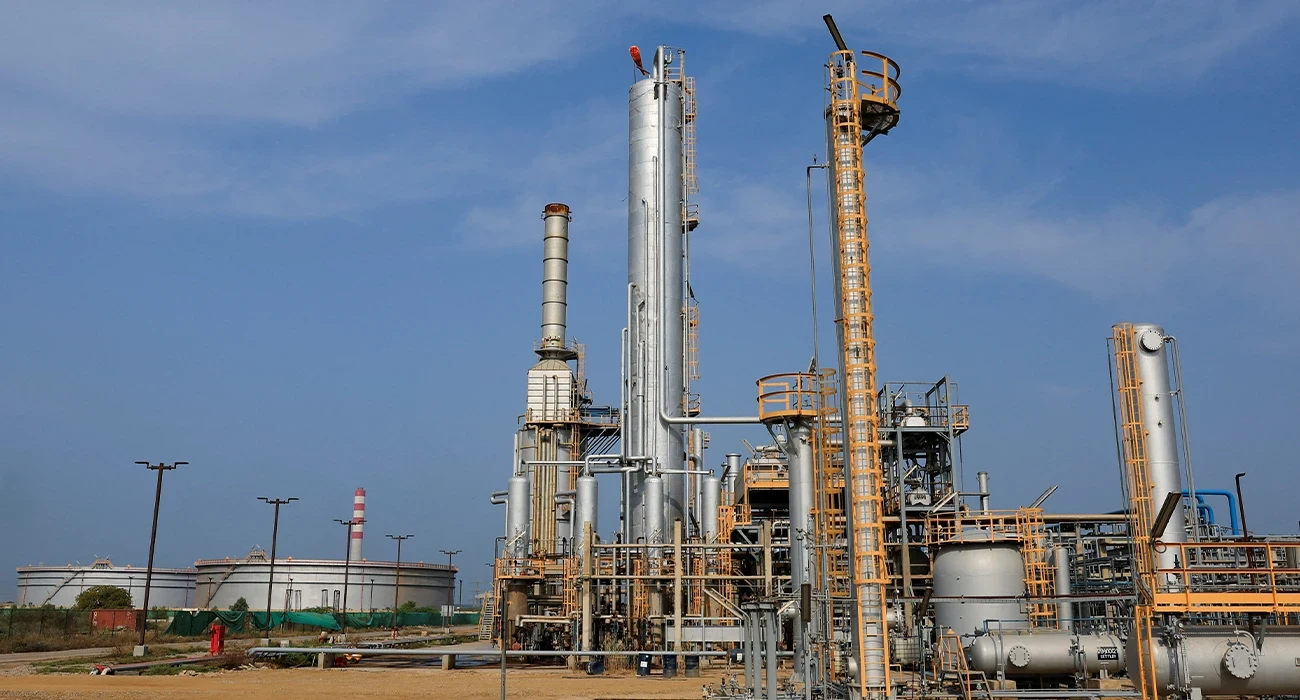
The crown prince is due to arrive in Islamabad for a two-day visit on the afternoon of February 16. He is expected to sign a range of agreements worth up to $15 billion dollars, including for three power plants in Pakistan’s Punjab province and an oil refinery and petrochemical complex to be set up in the coastal city of Gwadar in southwestern Baluchistan.
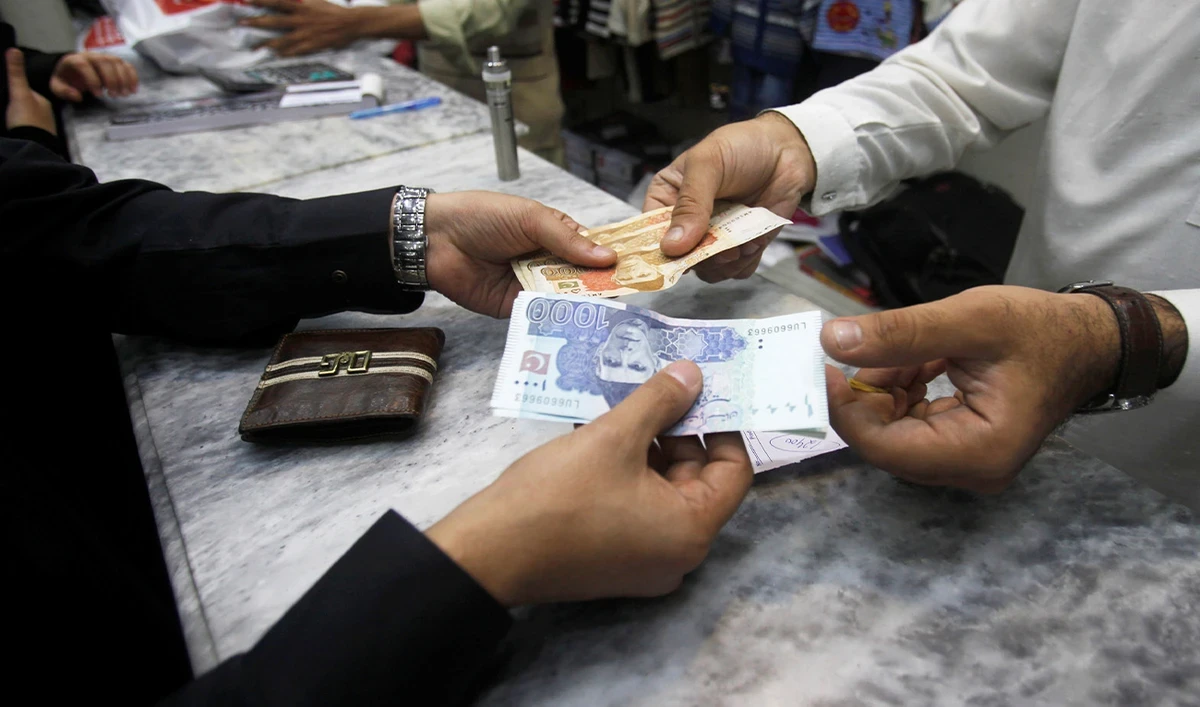
Saudi Arabia and Pakistan have long maintained strong ties and Riyadh has repeatedly come to Islamabad’s financial rescue. Most recently, last year, it offered Pakistan $3 billion in foreign currency support for a year and a further loan worth up to $3 billion in deferred payments for oil imports to help stave off a current account crisis.
Chaudhry told Arab News that the crown prince would arrive in Islamabad on Saturday, February 16 and stay overnight at the Prime Minister House.
Outlining the prince’s agenda, the information minister said he would attend a reception at the Presidential Palace on the evening of Saturday.
“A reception will be hosted in his honour at the president house and will be attended by the [Pakistani] prime minister, army chief, all top ministers, bureaucrats and important personalities in the country as well as members of the royal entourage,” Chaudhry said.
On Sunday, he said, Prime Minister Imran Khan and the crown prince would co-chair meetings of various joint working groups including on trade and investment, energy, science, culture and information and media.
The foreign office said in a statement that the crown prince would call on the president of Pakistan, the prime minister and the army chief separately.
The statement said Pakistan and Saudi Arabia will sign a number of agreements and memorandums of agreement during the crown prince's visit, including in the fields of investment, finance, power, renewable energy, internal security, media, culture and sports.
"The two countries will also discuss ways and means to develop a robust follow-up mechanism to ensure effective implementation and quick progress on tangible areas of cooperation," the statement said.
The crown prince will leave Pakistan on February 17 and continue on wards with visits to India, China, Malaysia and Indonesia.
Responding to a question about reports that the prince would address a joint session of parliament, Chaudhry said: “That is highly unlikely.”
Giving details of security arrangements made for the visit, the information minister said the crown prince’s “own security team” would guard the Prime Minister House during his stay there but Pakistani security officials would also be on duty.
Chaudhry said Islamabad would be on “high security alert” throughout the prince’s visit and the Pakistan army and paramilitary Rangers would be in charge of keeping the capital safe. Saudi security and intelligence officials are also expected to be present not just at the PM House but across Islamabad during the two days the crown prince is there.
As of Monday night, 350 people in the prince’s “advance media and security team” had already arrived in Islamabad and another 800 were expected in the next few days, Chaudhry said. Vehicles to be used by the crown prince would arrive via special flight on Friday, while the cars and security equipment of his entourage would also be shipped in. At least 80 containers of luggage and other paraphernalia are expected to arrive in Islamabad to cater to the needs of the royal entourage.
Saudi Ministers accompanying the crown prince are also expected to hold meetings with their counterparts "to discuss bilateral cooperation in their respective fields," the foreign office said, adding that businessmen of the two countries would also meet to discuss opportunities for collaboration in the private sector.
"A delegation of Pakistan’s Senate will also call on the Crown Prince to discuss ways to enhance parliamentary cooperation between the two countries," the statement said.
The crown prince is due to arrive in Islamabad for a two-day visit on the afternoon of February 16. He is expected to sign a range of agreements worth up to $15 billion dollars, including for three power plants in Pakistan’s Punjab province and an oil refinery and petrochemical complex to be set up in the coastal city of Gwadar in southwestern Baluchistan.
Saudi Arabia and Pakistan have long maintained strong ties and Riyadh has repeatedly come to Islamabad’s financial rescue. Most recently, last year, it offered Pakistan $3 billion in foreign currency support for a year and a further loan worth up to $3 billion in deferred payments for oil imports to help stave off a current account crisis.
Chaudhry told Arab News that the crown prince would arrive in Islamabad on Saturday, February 16 and stay overnight at the Prime Minister House.
Outlining the prince’s agenda, the information minister said he would attend a reception at the Presidential Palace on the evening of Saturday.
“A reception will be hosted in his honour at the president house and will be attended by the [Pakistani] prime minister, army chief, all top ministers, bureaucrats and important personalities in the country as well as members of the royal entourage,” Chaudhry said.
On Sunday, he said, Prime Minister Imran Khan and the crown prince would co-chair meetings of various joint working groups including on trade and investment, energy, science, culture and information and media.
The foreign office said in a statement that the crown prince would call on the president of Pakistan, the prime minister and the army chief separately.
The statement said Pakistan and Saudi Arabia will sign a number of agreements and memorandums of agreement during the crown prince's visit, including in the fields of investment, finance, power, renewable energy, internal security, media, culture and sports.
"The two countries will also discuss ways and means to develop a robust follow-up mechanism to ensure effective implementation and quick progress on tangible areas of cooperation," the statement said.
The crown prince will leave Pakistan on February 17 and continue on wards with visits to India, China, Malaysia and Indonesia.
Responding to a question about reports that the prince would address a joint session of parliament, Chaudhry said: “That is highly unlikely.”
Giving details of security arrangements made for the visit, the information minister said the crown prince’s “own security team” would guard the Prime Minister House during his stay there but Pakistani security officials would also be on duty.
Chaudhry said Islamabad would be on “high security alert” throughout the prince’s visit and the Pakistan army and paramilitary Rangers would be in charge of keeping the capital safe. Saudi security and intelligence officials are also expected to be present not just at the PM House but across Islamabad during the two days the crown prince is there.
As of Monday night, 350 people in the prince’s “advance media and security team” had already arrived in Islamabad and another 800 were expected in the next few days, Chaudhry said. Vehicles to be used by the crown prince would arrive via special flight on Friday, while the cars and security equipment of his entourage would also be shipped in. At least 80 containers of luggage and other paraphernalia are expected to arrive in Islamabad to cater to the needs of the royal entourage.
Saudi Ministers accompanying the crown prince are also expected to hold meetings with their counterparts "to discuss bilateral cooperation in their respective fields," the foreign office said, adding that businessmen of the two countries would also meet to discuss opportunities for collaboration in the private sector.
"A delegation of Pakistan’s Senate will also call on the Crown Prince to discuss ways to enhance parliamentary cooperation between the two countries," the statement said.